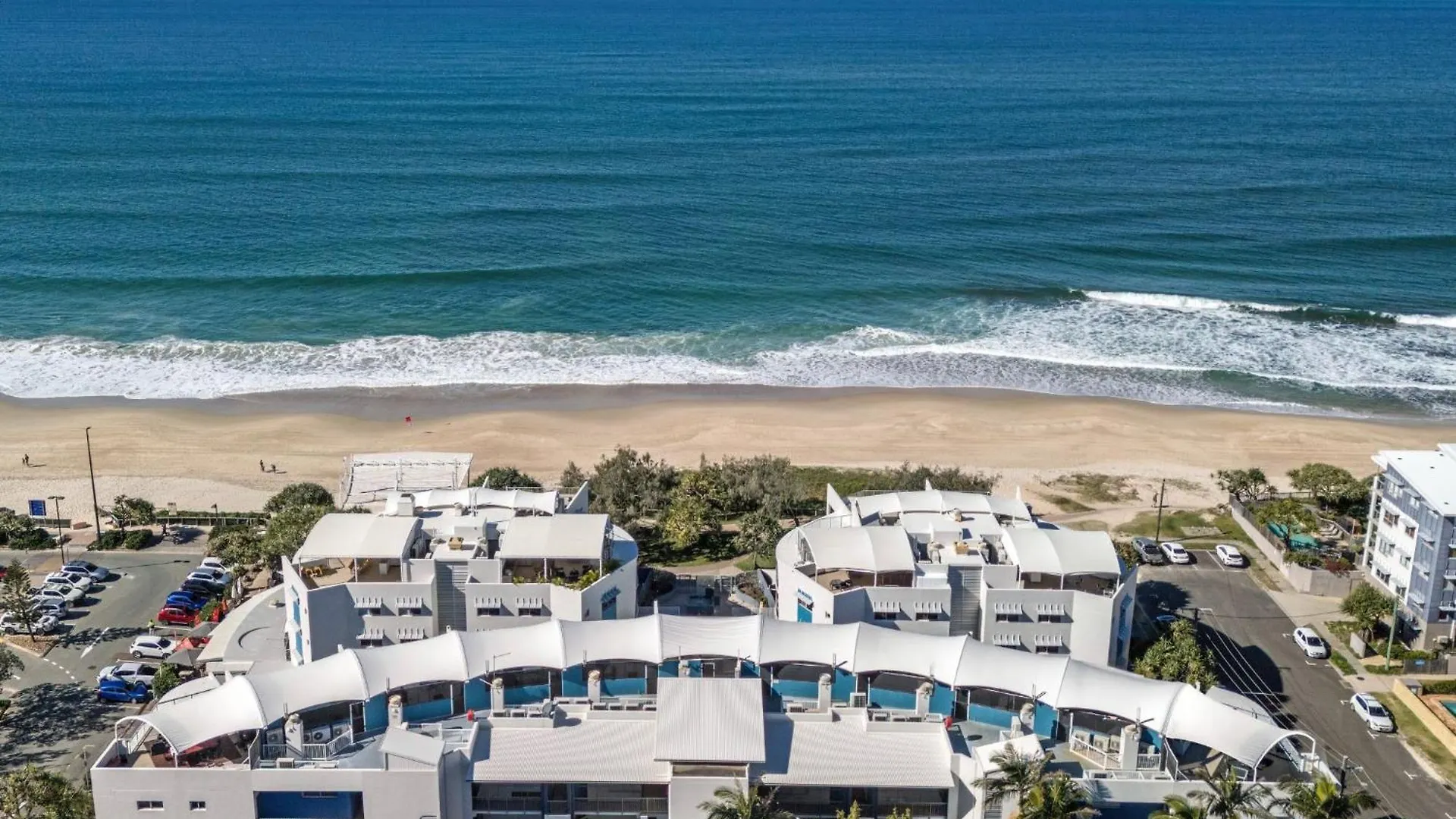
Australia's coastline stretches over 25,000 kilometres, and choosing where to base yourself at a resort can be the difference between a trip centred on reef snorkelling, whale watching, Whitsunday island-hopping, or surfing breaks on the Sunshine Coast. This guide covers 11 resort hotels across Queensland, New South Wales, Western Australia, and beyond - with precise location context, facility breakdowns, and honest trade-offs to help you book with confidence.
What It's Like Staying at a Resort in Australia
Australia's resort scene is shaped by its geography: most properties sit directly on or within walking distance of a beach, and the indoor-outdoor lifestyle is embedded in how they're designed - think swim-out apartments, poolside BBQ areas, and balconies facing open ocean rather than city streets. The eastern seaboard concentrates the highest density of beach resorts, from subtropical Queensland down through New South Wales, while Western Australia offers more isolated, high-impact destinations like Broome's Cable Beach. Crowds peak heavily during Australian school holidays (December-January and Easter), meaning booking windows need to open earlier than international travellers often expect.
Pros:
- Direct beach or ocean access is standard at most Australian resorts, not an upgrade
- Self-contained apartments with full kitchens are widely available, reducing dining costs significantly
- Wildlife encounters - turtle nesting, reef snorkelling, whale watching - are built into the geography of many resort locations
Cons:
- Distances between destinations are vast; resort locations often require a car to reach other attractions
- Peak-season pricing at Queensland coastal resorts can spike sharply, with availability tightening around 8 weeks in advance
- Remote or island resorts may limit dining options to on-site restaurants only
Why Choose a Resort Hotel in Australia
Australian resort hotels occupy a distinct middle ground between standard hotels and private holiday rentals - they typically offer apartment-style rooms with full kitchens and laundry facilities alongside shared resort amenities like heated pools, tennis courts, and on-site dining. Self-contained resort apartments often work out cheaper than equivalent hotel rooms once you factor in avoided meal costs, particularly for stays of four nights or more. Unlike boutique hotels concentrated in city centres, beach resorts in Australia are positioned to put guests within metres of the water, with the trade-off being that many are car-dependent once you leave the property.
Pros:
- Full kitchen and laundry access in most resort apartments reduces the overall trip cost for families and longer stays
- On-site leisure facilities - heated pools, spas, tennis courts, BBQ areas - mean rainy-day options without leaving the property
- Many properties are eco-certified or positioned next to national parks, providing genuine natural access
Cons:
- Resort fees and parking charges can add to the nightly rate at some properties, so confirm inclusions at booking
- On-site restaurants at remote resorts can be pricey and limited in variety compared to urban alternatives
- Ocean-view or swim-out apartments come at a premium of around 25% above standard units at the same property
Practical Booking & Area Strategy for Australian Resorts
Queensland's Sunshine Coast (Caloundra, Noosa) delivers the most accessible combination of beach, dining, and transport links - both locations sit within around 40 minutes of Sunshine Coast Airport and roughly an hour from Brisbane Airport, making them the lowest-friction entry point for first-time visitors to Australia's east coast resorts. For travellers prioritising reef access, the Southern Great Barrier Reef corridor around Bargara (near Bundaberg) and Kurrimine Beach in Far North Queensland offer reef proximity without the Cairns premium. Western Australia's Broome - home to Cable Beach - is a seasonal destination best visited between April and October, as the wet season effectively closes many activities from November through March. On the New South Wales coast, Lennox Head (15 minutes from Byron Bay) and Diamond Beach (3 hours north of Sydney) are hidden-value alternatives to overpriced Byron Bay accommodation, with direct beach access at a lower nightly rate. Long Island in the Whitsundays requires water taxi, seaplane, or helicopter access - factor in transfer costs when comparing resort prices. Dunsborough in Western Australia's Margaret River region adds wine-country day trips to the beach resort formula, with Cape Naturaliste and Busselton Jetty both within a 30-minute drive.
Sunshine Coast & Southeast Queensland Resorts
The Sunshine Coast corridor - covering Caloundra, Noosa, and Scarborough on Moreton Bay - gives travellers a concentration of beach resorts within easy reach of Brisbane Airport, with each location offering a distinct character and beach type.
-
1. Rolling Surf Resort
Show on map


 Check-infrom 14:00 until 17:00Check-outfrom 08:00 until 10:00
Just a few rooms left at the best rate!
fromAU$ 301
-
2. Noosa Residences
Show on map


 Check-infrom 15:00 until 17:00Check-outuntil 10:00
Just a few rooms left at the best rate!
fromAU$ 649
-
3. Scarborough Beach Resort Brisbane
Show on map


 Check-infrom 14:00 until 16:00Check-outuntil 10:00
Just a few rooms left at the best rate!
fromAU$ 389
Great Barrier Reef & Tropical Queensland Resorts
From the Southern Great Barrier Reef at Bargara to the remote sands of Kurrimine Beach in Far North Queensland and the island seclusion of Long Island in the Whitsundays, this stretch of coastline offers the highest concentration of reef-adjacent resort experiences in Australia.
-
1. Kellys Beach Resort
Show on map


 Check-infrom 14:00 until 22:00Check-outfrom 07:00 until 10:00
Just a few rooms left at the best rate!
fromAU$ 210
-
2. King Reef Resort
Show on map


 Check-infrom 14:00 until 17:00Check-outfrom 06:00 until 10:00
Hurry – almost gone at this price!
fromAU$ 118
-
6. Palm Bay Resort
Show on map


 Check-infrom 14:00 until 18:00Check-outfrom 07:00 until 10:00
Hurry – almost gone at this price!
fromAU$ 244
New South Wales Coast Resorts
New South Wales offers two strong resort alternatives for travellers who want beach access without Queensland's peak-season pricing - Lennox Head near Byron Bay and Diamond Beach north of Sydney both deliver beachfront or near-beach positioning at a more accessible price point.
-
1. Lennox Beach Resort
Show on map


 Check-infrom 15:00 until 23:59Check-outuntil 10:00
Hurry – almost gone at this price!
fromAU$ 215
-
2. Serenity Diamond Beach
Show on map


 Check-infrom 14:00 until 17:00Check-outuntil 10:00
Rooms filling fast – secure the best rate!
fromAU$ 208
Western Australia Resort Hotels
Western Australia's resort options differ significantly from the east coast: Cable Beach in Broome is one of Australia's most iconic stretches of sand, while Dunsborough in the Margaret River region combines beach access with some of the country's best wine country within a 30-minute drive.
-
1. Oaks Cable Beach Resort
Show on map


 Check-infrom 14:00 until 20:30Check-outfrom 07:00 until 10:00
Rooms filling fast – secure the best rate!
fromAU$ 808
-
2. Dunsborough Beach Cottages
Show on map


 Check-infrom 14:00 until 18:00Check-outfrom 08:00 until 10:00
Rooms filling fast – secure the best rate!
fromAU$ 492
Smart Timing & Booking Advice for Australian Resorts
Australia's resort calendar splits cleanly into two demand peaks: the summer school holiday window from mid-December through late January, and the Easter break, typically in April. Booking 10 to 12 weeks ahead of these windows is the minimum for coastal Queensland resorts with limited self-contained apartment inventory - properties like Rolling Surf Resort and Kellys Beach Resort fill swim-out and rooftop units first. Outside these peaks, the shoulder months of May-June and September-October offer the best price-to-conditions ratio on the east coast, with fewer crowds and similar weather. Western Australia follows a different rhythm: Broome and the Kimberley are best visited between April and October, with the wet season (November-March) bringing humidity, cyclone risk, and reduced activity availability at Oaks Cable Beach Resort. For NSW coast resorts like Serenity Diamond Beach and Lennox Beach Resort, long weekends tied to NSW public holidays drive short-term spikes, so mid-week stays offer savings of around 20% over equivalent weekend rates. For island resorts like Palm Bay in the Whitsundays, factor in that transfer costs by water taxi or seaplane are fixed regardless of the nightly rate - staying a minimum of 3 nights makes the logistics more cost-effective.