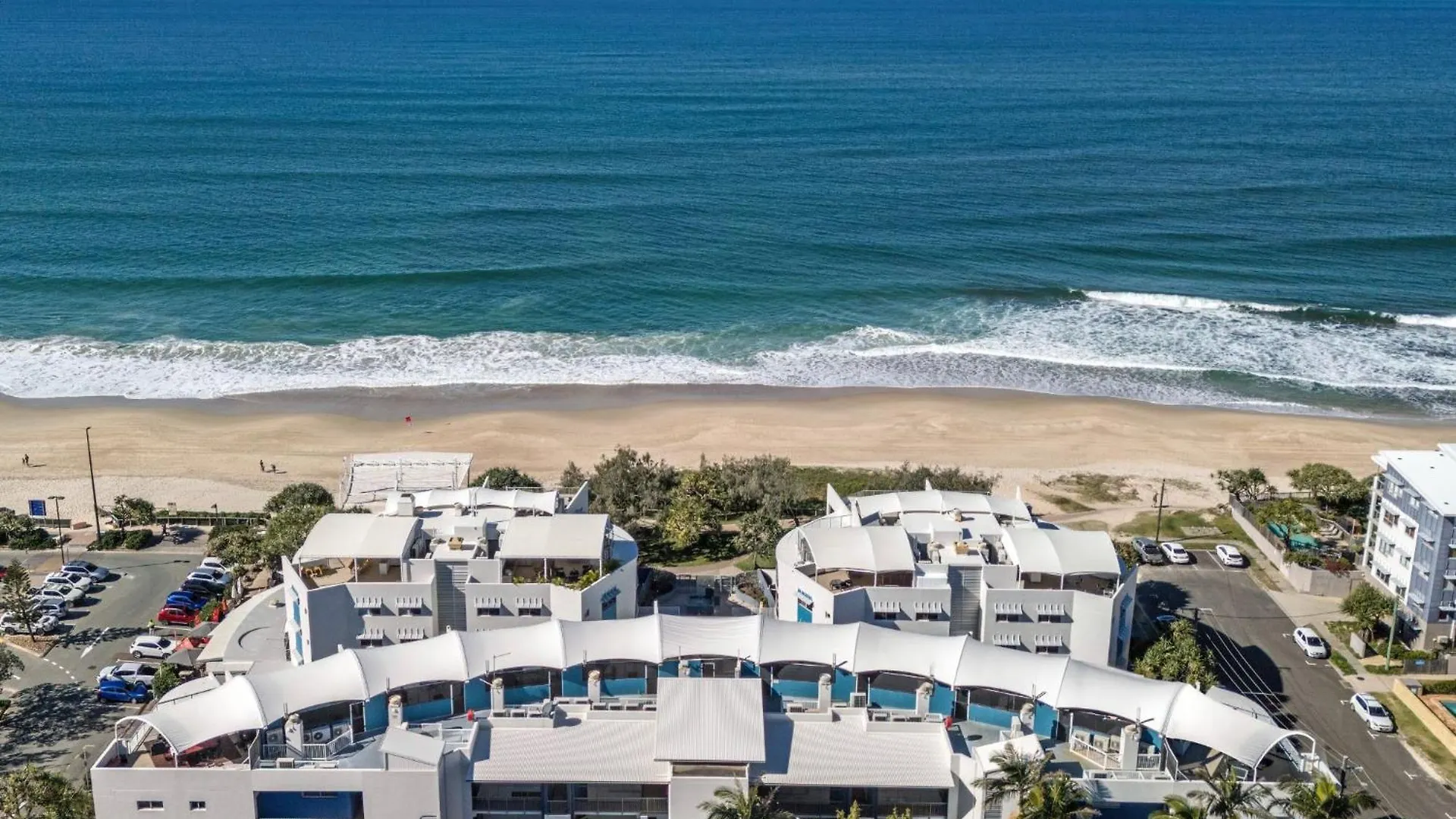
Australia and Oceania offer some of the most geographically diverse resort stays on the planet - from the World Heritage-listed Daintree Rainforest and the Great Barrier Reef to the red-ochre cliffs of Broome's Cable Beach and the surf-kissed shores of the Gold Coast. This guide covers 14 resort hotels across the region, comparing beachfront access, self-contained facilities, and proximity to key natural and urban attractions to help you make a confident booking decision.
What It's Like Staying in Australia and Oceania
Australia's resort corridor stretches across dramatically different landscapes - subtropical Queensland coastlines, temperate Western Australian bays, remote Far North Queensland rainforest, and alpine New South Wales - meaning your choice of base defines your entire trip. Transport between regions is almost entirely flight-dependent, with road transfers adding anywhere from 30 minutes to several hours depending on your resort's remoteness. Some properties, like Palm Bay Resort on Long Island, are only accessible by water taxi, seaplane, or helicopter, which significantly changes logistics for families or those with heavy luggage.
Crowd patterns vary sharply by region: coastal Queensland resorts peak during Australian school holidays (December-January and July), while destinations like Dunsborough in Western Australia see their surge in the southern summer. Oceania-facing resorts and island properties typically have more controlled guest volumes, since access itself acts as a natural filter. Urban-adjacent resorts near Brisbane or the Gold Coast tend to have stronger year-round occupancy and less off-peak discounting than remote properties.
Pros:
- Extraordinary natural diversity - one country spans rainforest, reef, desert coast, and alpine terrain within a single itinerary
- Most resort hotels are self-contained with full kitchens and laundry, reducing daily food spend significantly
- Internationally accredited eco and wildlife credentials at many properties (especially Queensland) add genuine value for nature-focused travelers
Cons:
- Internal flights between regions are expensive and time-consuming, making multi-destination itineraries costly
- Remote resorts often lack nearby dining alternatives, locking guests into on-site restaurant pricing
- Peak school holiday periods drive up rates and reduce availability with around 6 weeks advance lead time recommended
Why Choose Resort Hotels in Australia and Oceania
Resort hotels in Australia and Oceania consistently outperform standard hotel accommodation on space, self-sufficiency, and immersive environment - three factors that matter most when you're traveling long-haul. Unlike city hotels, Australian resorts typically deliver full apartment-style rooms with kitchens, laundry, and private balconies, which makes them especially practical for families and couples on stays of 4 nights or more. Self-contained resort apartments can reduce daily food costs by around 40% compared to staying in urban hotels reliant on restaurants for every meal.
In this region specifically, resort hotels are often positioned directly on or within minutes of a defining natural asset - a reef, a rainforest, a heritage beach, or a national park - meaning the setting itself becomes part of the stay rather than something you have to drive to. Pool infrastructure at Australian resorts is notably above average, with heated lap pools, lagoon pools, and swim-out apartments appearing even at mid-range properties. The trade-off is that premium resort rates in high-demand coastal zones like Noosa or the Whitsundays can spike significantly during school holidays, and some properties enforce minimum night stays during peak periods.
Pros:
- Full kitchen and laundry facilities are standard across most resort categories, not just premium tiers
- Direct or near-direct access to major natural attractions - reef, rainforest, heritage beaches - without additional transfers
- On-site amenities (pools, spas, tennis courts, BBQ areas) reduce the need for external entertainment spend
Cons:
- Minimum stay requirements (often 2-3 nights) are common at resort hotels during peak periods
- Remote resorts charge premium rates for food and activities with limited external competition
- Resort fees and parking charges are sometimes added on top of the room rate at larger properties
Practical Booking & Area Strategy for Australian Resorts
Choosing where to base yourself depends heavily on what you want from the region. The Sunshine Coast (Caloundra, Noosa) and Gold Coast (Miami Beach, Surfers Paradise) give you the best balance of beach access, walkable dining strips, and public transport connectivity - ideal for first-time visitors or those combining leisure with urban exploration. The Gold Coast's Mariner Shores Club, for example, sits just 15 km from Coolangatta Airport and is connected to Pacific Fair and Surfers Paradise by a bus stop directly outside the property. Queensland's Far North - Port Douglas, the Daintree, Long Island - demands more planning but delivers unmatched natural immersion, with the Great Barrier Reef accessible by day cruise or seaplane from Port Douglas in under 30 minutes.
For Western Australia, Broome's Cable Beach corridor and Dunsborough in the Margaret River region are the two most compelling resort bases. Broome sits around 2,200 km north of Perth, making it a fly-in destination, while Dunsborough is a 3-hour drive from Perth - a manageable self-drive for a weekend or week-long wine and beach itinerary. Booking at least 8 weeks ahead during Australian school holidays is strongly advised for coastal Queensland and WA properties, as beachfront resorts in Noosa, the Gold Coast, and Broome frequently sell out at peak periods. Mid-week arrivals in shoulder season (March-May and September-October) typically offer the best value rates with noticeably thinner crowds at beaches and resort pools.
Best Value Resort Stays
These resorts deliver strong self-contained facilities and direct beach or nature access at competitive price points, making them the most practical choices for budget-conscious travelers or longer stays across Australia.
-
1. Rolling Surf Resort
Show on map


 Check-infrom 14:00 until 17:00Check-outfrom 08:00 until 10:00
Best price guarantee
fromAU$ 301
-
2. Scarborough Beach Resort Brisbane
Show on map


 Check-infrom 14:00 until 16:00Check-outuntil 10:00
Best price guarantee
fromAU$ 389
-
3. Kellys Beach Resort
Show on map


 Check-infrom 14:00 until 22:00Check-outfrom 07:00 until 10:00
Best price guarantee
fromAU$ 210
-
4. Serenity Diamond Beach
Show on map


 Check-infrom 14:00 until 17:00Check-outuntil 10:00
Just a few rooms left at the best rate!
fromAU$ 208
-
5. Lennox Beach Resort
Show on map


 Check-infrom 15:00 until 23:59Check-outuntil 10:00
Best price guarantee
fromAU$ 215
-
6. Dunsborough Beach Cottages
Show on map


 Check-infrom 14:00 until 18:00Check-outfrom 08:00 until 10:00
Rooms filling fast – secure the best rate!
fromAU$ 492
-
7. Snowy Valley Jindabyne
Show on map


 Check-infrom 16:00 until 23:59Check-outuntil 10:00
Just a few rooms left at the best rate!
fromAU$ 349
Best Premium Resort Stays
These resorts offer elevated settings, distinctive natural environments, or standout facilities that justify higher price points - including private plunge pools, World Heritage rainforest access, island exclusivity, and Gold Coast beachfront positioning.
-
1. Noosa Residences
Show on map


 Check-infrom 15:00 until 17:00Check-outuntil 10:00
Hurry – almost gone at this price!
fromAU$ 649
-
2. King Reef Resort
Show on map


 Check-infrom 14:00 until 17:00Check-outfrom 06:00 until 10:00
Hurry – almost gone at this price!
fromAU$ 118
-
3. Mariner Shores Club
Show on map


 Check-infrom 16:00 until 19:00Check-outfrom 08:00 until 10:00
Best price guarantee
fromAU$ 249
-
4. Daintree Ecolodge
Show on map


 Check-infrom 14:00 until 17:00Check-outfrom 08:00 until 10:00
Best price guarantee
fromAU$ 1100
-
5. Oaks Cable Beach Resort
Show on map


 Check-infrom 14:00 until 20:30Check-outfrom 07:00 until 10:00
Hurry – almost gone at this price!
fromAU$ 808
-
13. Palm Bay Resort
Show on map


 Check-infrom 14:00 until 18:00Check-outfrom 07:00 until 10:00
Rooms filling fast – secure the best rate!
fromAU$ 244
-
7. Niramaya Villas And Spa
Show on map


 Check-infrom 14:00 until 16:00Check-outfrom 08:00 until 10:00
Just a few rooms left at the best rate!
fromAU$ 650
Smart Travel & Timing Advice for Australian Resort Hotels
The best time to visit Australia's resort regions varies sharply by geography. Queensland's coast - from the Gold Coast to Port Douglas - peaks between December and January and again in July during school holidays, when beachfront resorts fill rapidly and nightly rates can increase by around 35% compared to shoulder months. The optimal window for Queensland coastal and reef resorts is September to November: the wet season hasn't begun, water visibility on the Great Barrier Reef is excellent, and both crowds and pricing are noticeably lower than peak summer.
Western Australia's resort corridor - Broome and the Margaret River/Dunsborough area - operates on a different seasonal rhythm. Broome's peak runs from June to August (dry season), when temperatures are mild and the Kimberley landscape is at its most accessible. Dunsborough and the Margaret River region peak in January and February for beach tourism and again in March during the wine harvest. For the Snowy Mountains and Jindabyne, winter bookings (June-August) should be secured at least 8 weeks in advance for ski season, while summer alpine access (December-February) is less pressured. Midweek arrivals across all regions typically save 15-20% on resort rates compared to Friday and Saturday check-ins. For long-haul international travelers combining multiple regions, a minimum of 4 nights per resort base is recommended to justify travel time and maximize value from self-contained facilities.