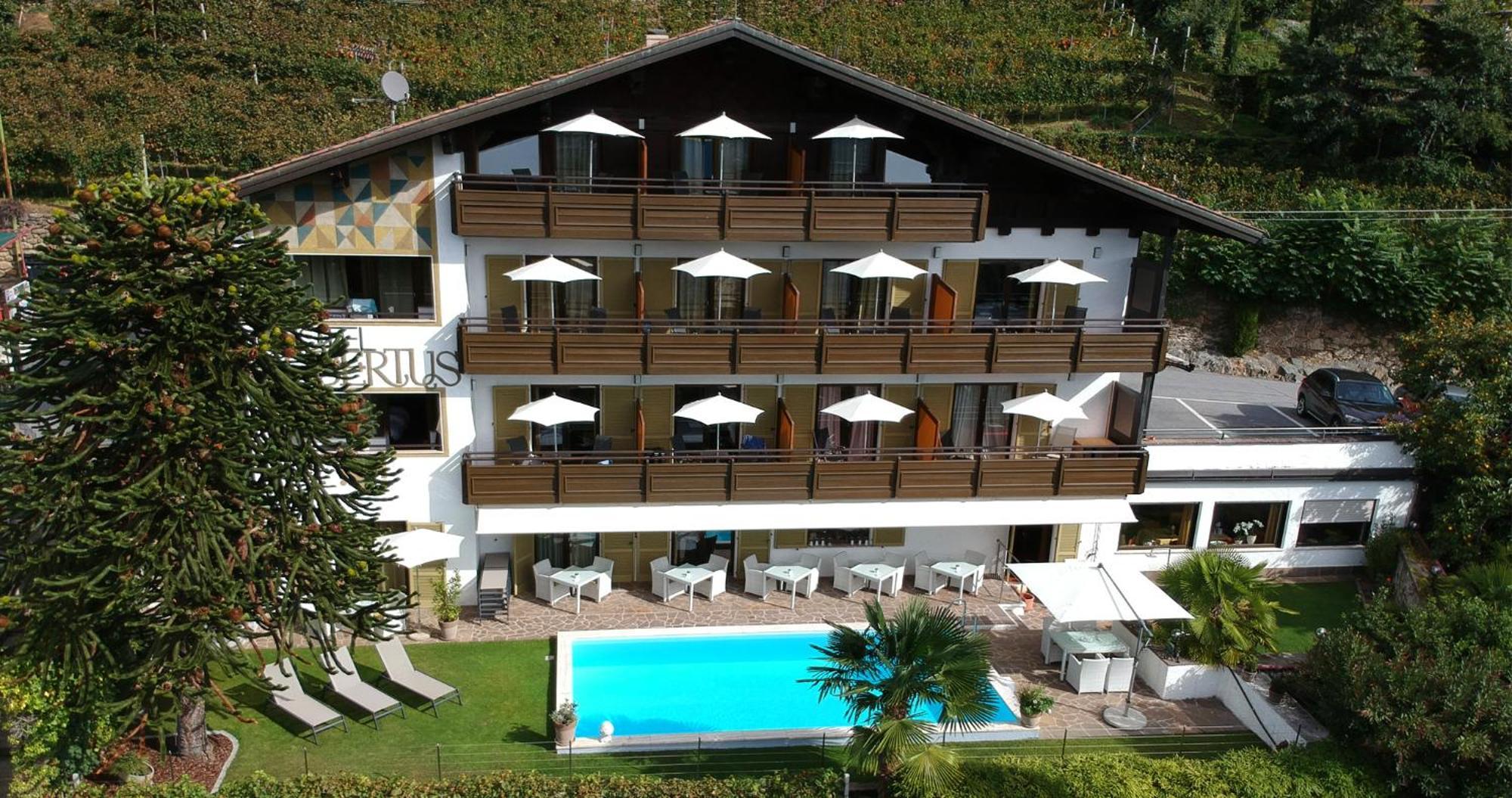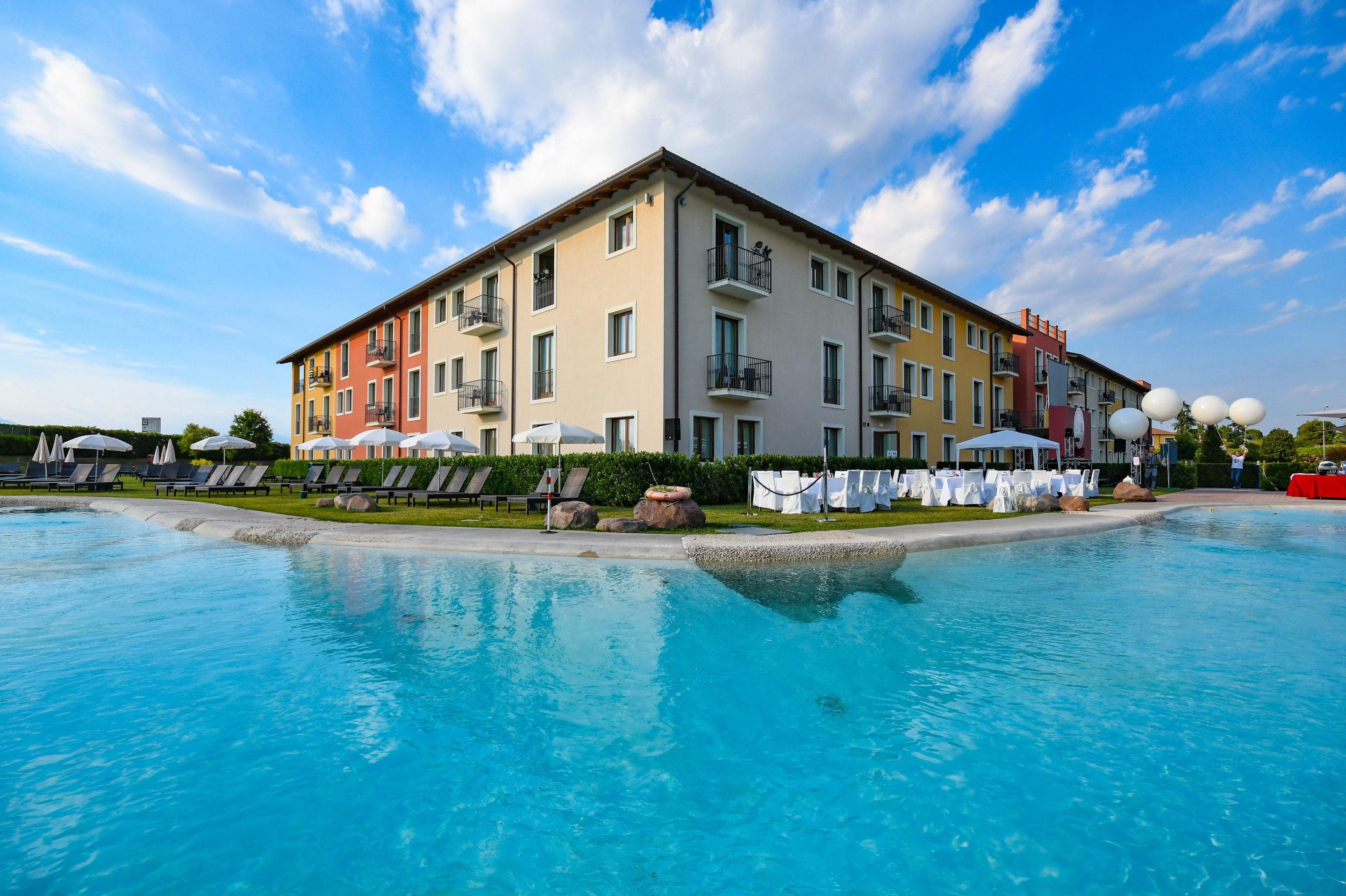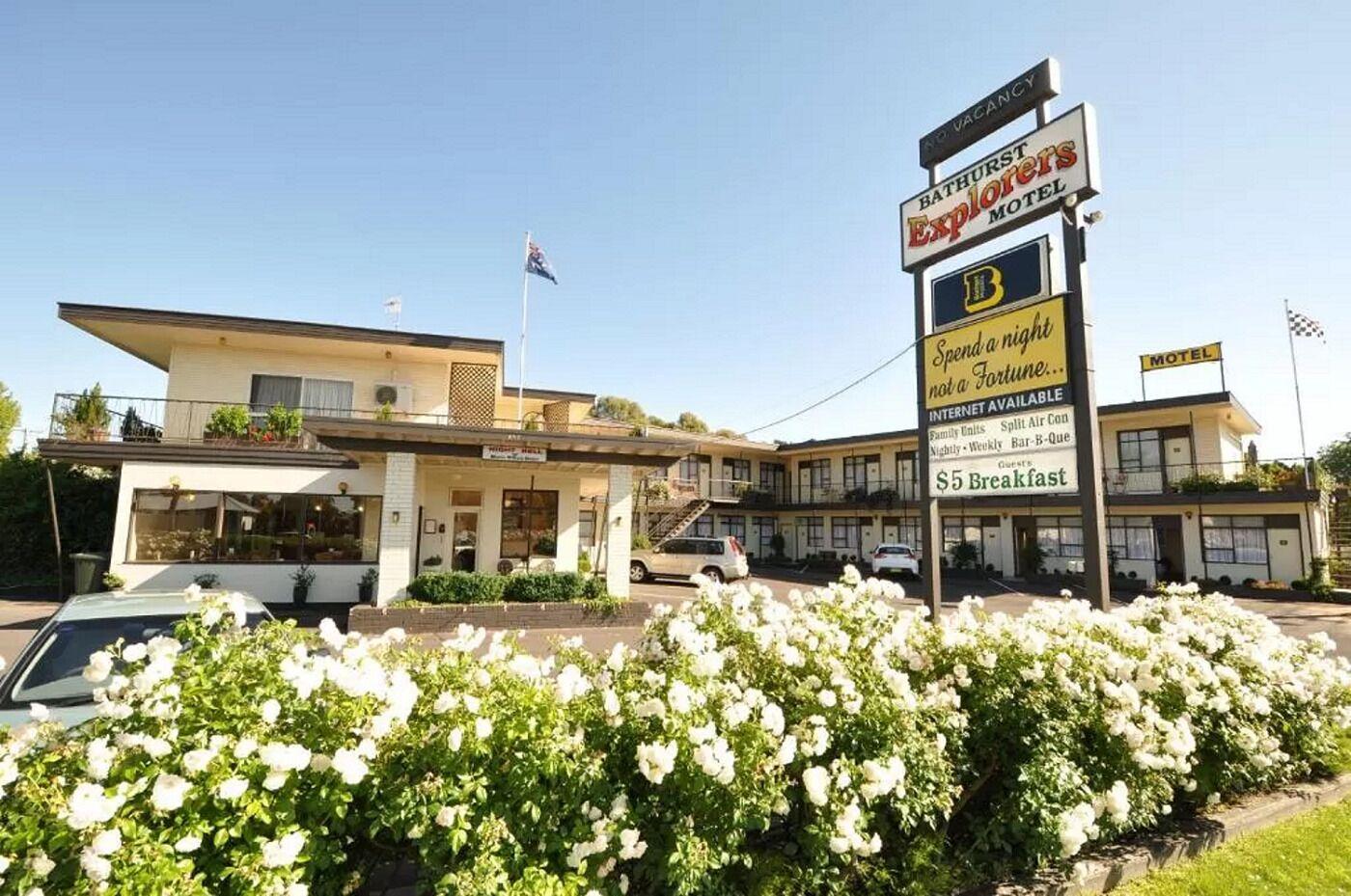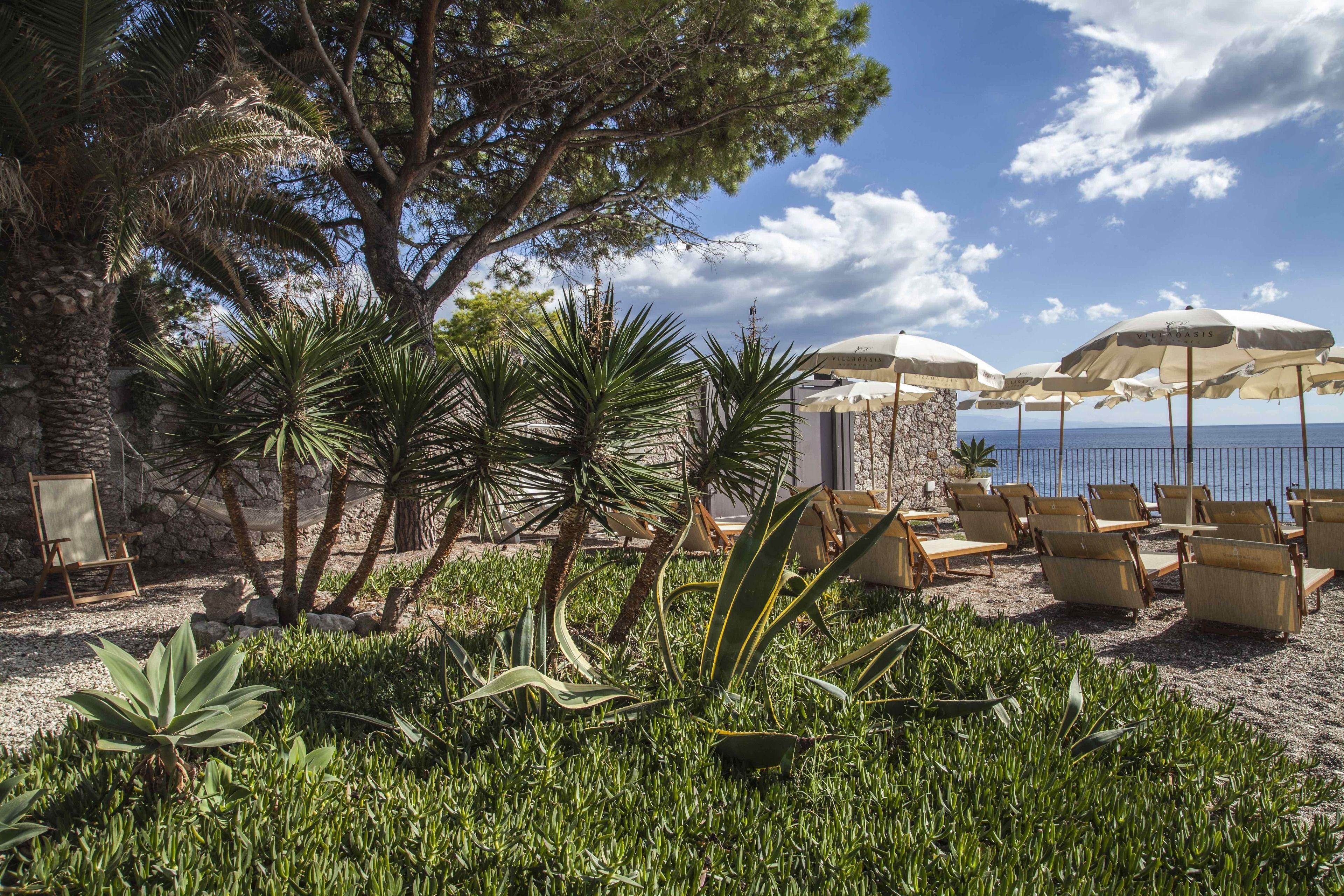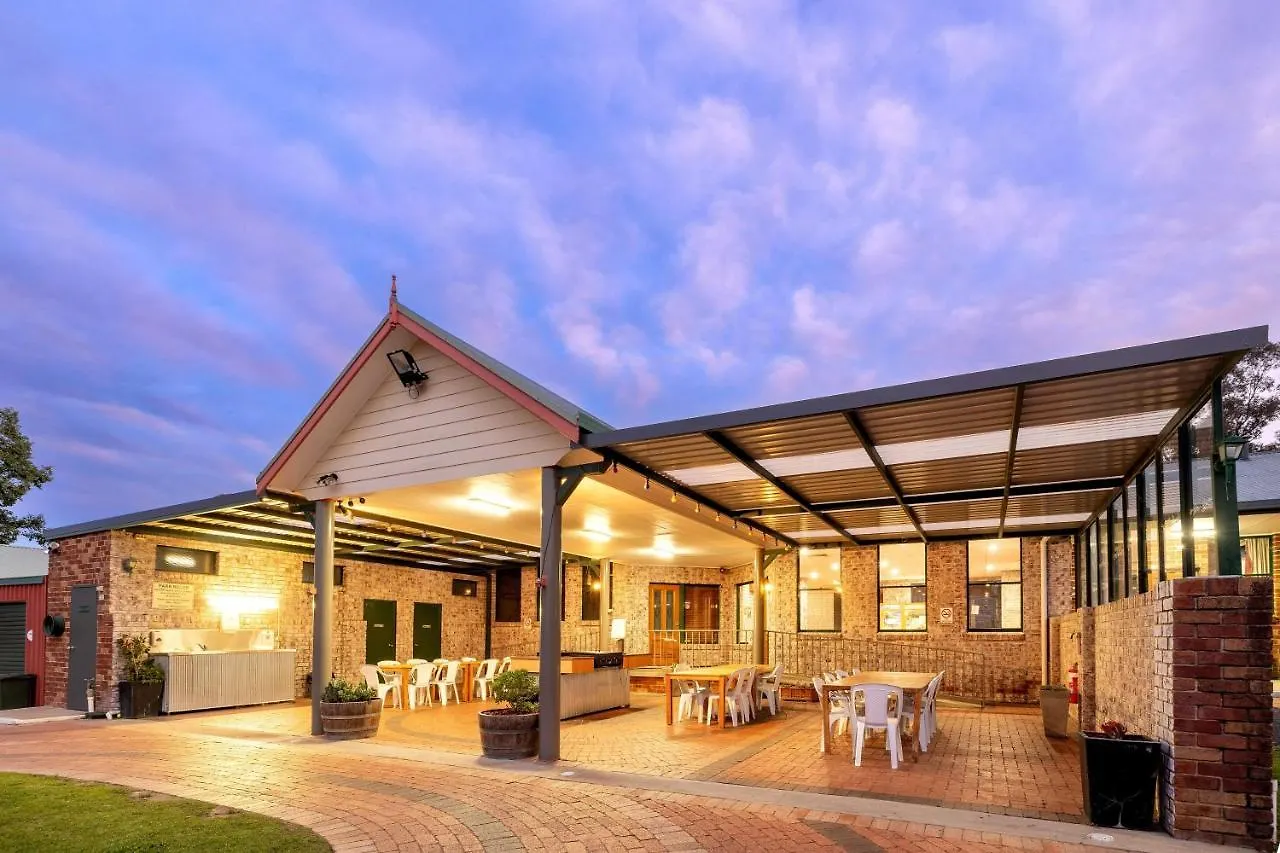
Australia's sheer scale means choosing the right family-friendly hotel is less about finding a room with a cot and more about choosing a base that genuinely reduces the daily friction of travelling with kids. From self-contained holiday parks on the New South Wales south coast to beachfront resorts in Victoria and bush retreats in Western Australia, the country's family accommodation landscape is remarkably varied - and knowing how each property actually functions for families saves both money and logistical headaches.
What It's Like Staying in Australia with a Family
Australia rewards families who plan their base strategically. The country spans six distinct climate zones - from the tropical north of Queensland to the temperate coastline of Victoria - meaning the experience of staying here shifts dramatically depending on region and season. Distances between attractions regularly exceed 50 km, so accommodation with self-contained kitchen facilities and on-site activities isn't a luxury; it's a practical necessity that cuts meal costs and keeps younger children from melting down mid-transfer. Coastal towns like Lorne, Victor Harbor, and Batemans Bay draw heavy domestic crowds during Australian school holidays, particularly in January and the Easter window, so properties book out well in advance.
Families who prefer structured resort environments with pools, playgrounds, and dining on-site will find strong options across Queensland and New South Wales. Those seeking quieter regional escapes - wine country in Mudgee, bushland in Burekup, or gold-rush heritage in Coolgardie - will encounter fewer crowds and significantly lower nightly rates. Regional family stays often deliver more space per dollar than city-adjacent properties, with private bungalows and full kitchens replacing cramped adjoining hotel rooms.
Pros:
- Wide variety of self-contained accommodation with full kitchens, reducing daily dining costs significantly
- Many family-friendly parks and resorts include on-site pools, playgrounds, and BBQ areas that entertain children without leaving the property
- Regional towns offer genuine Australian landscapes - wine trails, national parks, river systems - within short drives of family accommodation
Cons:
- Vast distances between regions make multi-destination itineraries exhausting for young children without careful car or flight planning
- School holiday periods in January and April drive nightly rates up sharply and reduce availability at popular coastal parks
- Remote regional stays may lack nearby medical facilities, supermarkets, or restaurants - requiring more self-sufficiency than urban family travellers expect
Why Choose Family-Friendly Hotels in Australia
Family-friendly accommodation in Australia goes well beyond a rollaway bed. The category here is defined by properties that genuinely engineer for multi-generational groups: holiday parks with jumping pillows and heated saltwater pools, resort complexes on 30-acre gardens with tennis courts and fitness centres, and aparthotels with full kitchens and balconies that make a week-long stay financially sensible. A self-contained family cabin at a regional holiday park typically costs around 40% less per night than booking equivalent room space at a city hotel with adjoining rooms - and comes with a kitchen that eliminates three restaurant meals a day. The trade-off is that properties in towns like Kingaroy, Rylstone, or Coolgardie require a car; public transport is minimal or non-existent.
What separates Australian family hotels from their international equivalents is the BBQ culture built into the physical design of properties. Communal camp kitchens, outdoor dining areas, and on-site barbecue stations are standard at holiday parks, not optional extras. Resort-style properties in coastal zones add pools, spa facilities, and beachfront access that justify higher nightly rates for stays of at least 3 nights. Aparthotel formats in suburban centres like Ipswich deliver family rooms with kitchenettes and garden views that work well as regional touring bases.
Pros:
- Self-contained units with full kitchens are widespread, making Australia one of the most cost-efficient destinations for families who self-cater
- On-site recreation infrastructure - pools, playgrounds, tennis courts, BBQ areas - is embedded into the property design at most family-rated parks and resorts
- Many properties sit within easy reach of national parks, wineries, and wildlife attractions, adding educational value to a family stay
Cons:
- Regional family properties require a hire car; distances to supermarkets or emergency services can be significant in rural areas
- On-site dining at holiday parks is often limited - some properties have only a BBQ area, meaning evening meals require driving into town
- Coastal resort properties charge a premium during Australian school holidays, with limited flexibility on check-in and minimum-stay policies during peak periods
Practical Booking & Area Strategy for Family Stays in Australia
Australia's family accommodation market divides clearly by region: Queensland's South Burnett and Sunshine Coast hinterland deliver affordable holiday park stays with strong on-site facilities and proximity to wildlife parks like Australia Zoo; New South Wales offers coastal river-mouth parks near Batemans Bay and wine-country resorts around Mudgee that combine outdoor activity with genuine regional character; Victoria's Great Ocean Road corridor, anchored by Lorne, provides beachfront resort access within a 2-hour drive from Melbourne; and Western Australia's south coast - Denmark, Coolgardie, Burekup - rewards families willing to drive for solitude and dramatic landscapes. Booking at least 8 weeks ahead is essential for coastal properties during the January school holidays, when occupancy at parks like BIG4 Nelligen and Cumberland Lorne reaches capacity. For inland regional stays in Mudgee or Mount Morgan, last-minute availability is more common outside public holiday windows.
Transport planning is critical. Brisbane Airport sits around 49 km from Ipswich, Adelaide Airport is around 83 km from Victor Harbor, and Albany Regional Airport is around 52 km from Denmark - all requiring a hire car for the final leg. Families visiting New South Wales wine country or Queensland's South Burnett should budget a full driving day for transfers from major airports. The Sunshine Coast hinterland town of Maleny offers a quieter alternative to coastal Noosa, with Australia Zoo reachable in under 20 minutes and significantly lower accommodation rates than beachside competitors. For families targeting both wildlife and coastal swimming, staging a Queensland stay between the Sunshine Coast hinterland and the Glass House Mountains corridor gives the best ratio of attractions to driving time.
Holiday Parks & Self-Contained Family Stays
Australia's holiday park network is one of the most developed in the world, offering self-contained cabins and bungalows with private bathrooms and full kitchens at significantly lower rates than resort alternatives. These properties prioritise on-site recreation and work best for families staying multiple nights who want to reduce daily logistics.
-
1. Big4 Mudgee Holiday Park
Show on map


 Check-infrom 14:00 until 17:00Check-outfrom 09:00 until 10:00
Just a few rooms left at the best rate!
fromAU$ 224
-
2. Kingaroy Holiday Park
Show on map


 Check-infrom 14:00 until 18:00Check-outfrom 08:00 until 10:00
Hurry – almost gone at this price!
fromAU$ 160
-
3. Big4 Nelligen Holiday Park
Show on map


 Check-infrom 14:00 until 16:00Check-outfrom 08:00 until 10:00
Just a few rooms left at the best rate!
fromAU$ 163
-
4. Coolgardie Caravan Park
Show on map


 Check-infrom 14:00 until 18:00Check-outfrom 09:00 until 10:00
Just a few rooms left at the best rate!
fromAU$ 132
Resort, Aparthotel & Pub-Style Family Hotels
For families wanting more structured facilities - restaurants, pools, fitness centres, beachfront access - Australia's resort and aparthotel properties deliver a step up in on-site services. Pub-style hotels in regional towns also offer an authentically Australian experience with family rooms and dining on-site, often at competitive rates.
-
5. Parklands Resort Mudgee
Show on map


 Check-infrom 14:00 until 23:59Check-outuntil 10:00
Hurry – almost gone at this price!
fromAU$ 248
-
6. Quest Ipswich
Show on map


 Check-infrom 14:00 until 22:00Check-outfrom 07:00 until 10:00
Rooms filling fast – secure the best rate!
fromAU$ 442
-
3. Cumberland Lorne Resort
Show on map


 Check-infrom 14:00 until 23:30Check-outuntil 10:00
Rooms filling fast – secure the best rate!
fromAU$ 295
-
4. Nightcap At Hotel Victor
Show on map


 Check-infrom 14:00 until 23:00Check-outfrom 05:00 until 10:00
Best price guarantee
fromAU$ 167
-
5. Tranquil Park
Show on map


 Check-infrom 14:00 until 20:00Check-outfrom 07:00 until 10:00
Hurry – almost gone at this price!
fromAU$ 136
-
6. Evedon Lakeside Retreat
Show on map


 Check-infrom 14:00 until 17:00Check-outuntil 10:00
Best price guarantee
fromAU$ 281
-
7. The Lodge At The Denmark Hotel
Show on map


 Check-infrom 14:00 until 23:30Check-outfrom 06:00 until 10:00
Best price guarantee
fromAU$ 315
-
8. Country Pathfinder Motor Inn
Show on map


 Check-infrom 14:00 until 21:00Check-outfrom 07:00 until 10:00
Rooms filling fast – secure the best rate!
fromAU$ 156
-
9. Five Island Hotel
Show on map


 Check-infrom 14:00 until 23:00Check-outuntil 10:00
Just a few rooms left at the best rate!
fromAU$ 86
-
10. Grand Hotel Mount Morgan
Show on map


 Check-infrom 12:00 until 21:00Check-outuntil 10:00
Hurry – almost gone at this price!
fromAU$ 135
-
11. The Globe Hotel, Rylstone
Show on map


 Check-infrom 14:00 until 23:59Check-outfrom 08:00 until 10:00
Best price guarantee
fromAU$ 109
Smart Timing & Booking Advice for Family Hotels in Australia
Australia's family accommodation market operates on a dual-season logic that differs from European or North American hotel markets. Domestic school holiday periods - particularly the summer break spanning late December through late January, and the Easter window in April - drive occupancy at coastal parks and resort properties to near-capacity, with prices rising sharply. Booking coastal properties at least 10 weeks in advance during these windows is the minimum safe lead time; BIG4 parks on the New South Wales south coast and beachfront resorts like Cumberland Lorne regularly fill months earlier for the Christmas-January period. Outside school holidays, the same properties often have last-minute availability at significantly reduced rates - making April to June and September to November the most cost-efficient windows for families with scheduling flexibility.
Regional inland properties - Mudgee, Kingaroy, Mount Morgan, Coolgardie - are far less affected by school holiday demand spikes and offer more predictable pricing year-round. Queensland's tropical north experiences a distinct wet season from November through March that makes outdoor activities impractical; May through September is the clearest window for families targeting Queensland regional destinations. For Western Australia's south coast - Denmark, Burekup, Coolgardie - summer (December to February) brings the driest and most accessible conditions, but road trips should be planned with fuel stops in mind given the distances involved. A minimum stay of 3 nights is the break-even point for most self-contained family accommodation in Australia; shorter stays rarely justify the driving time to reach regional properties.