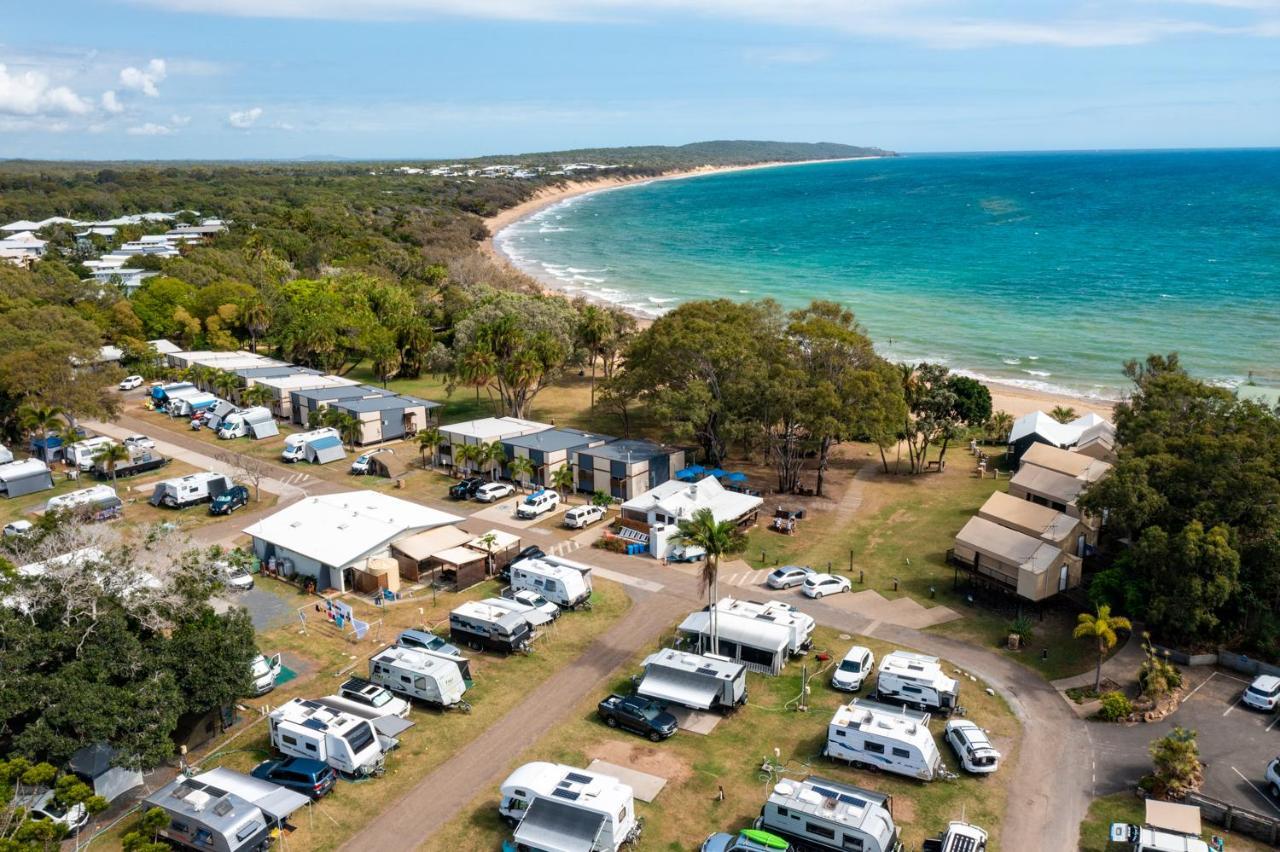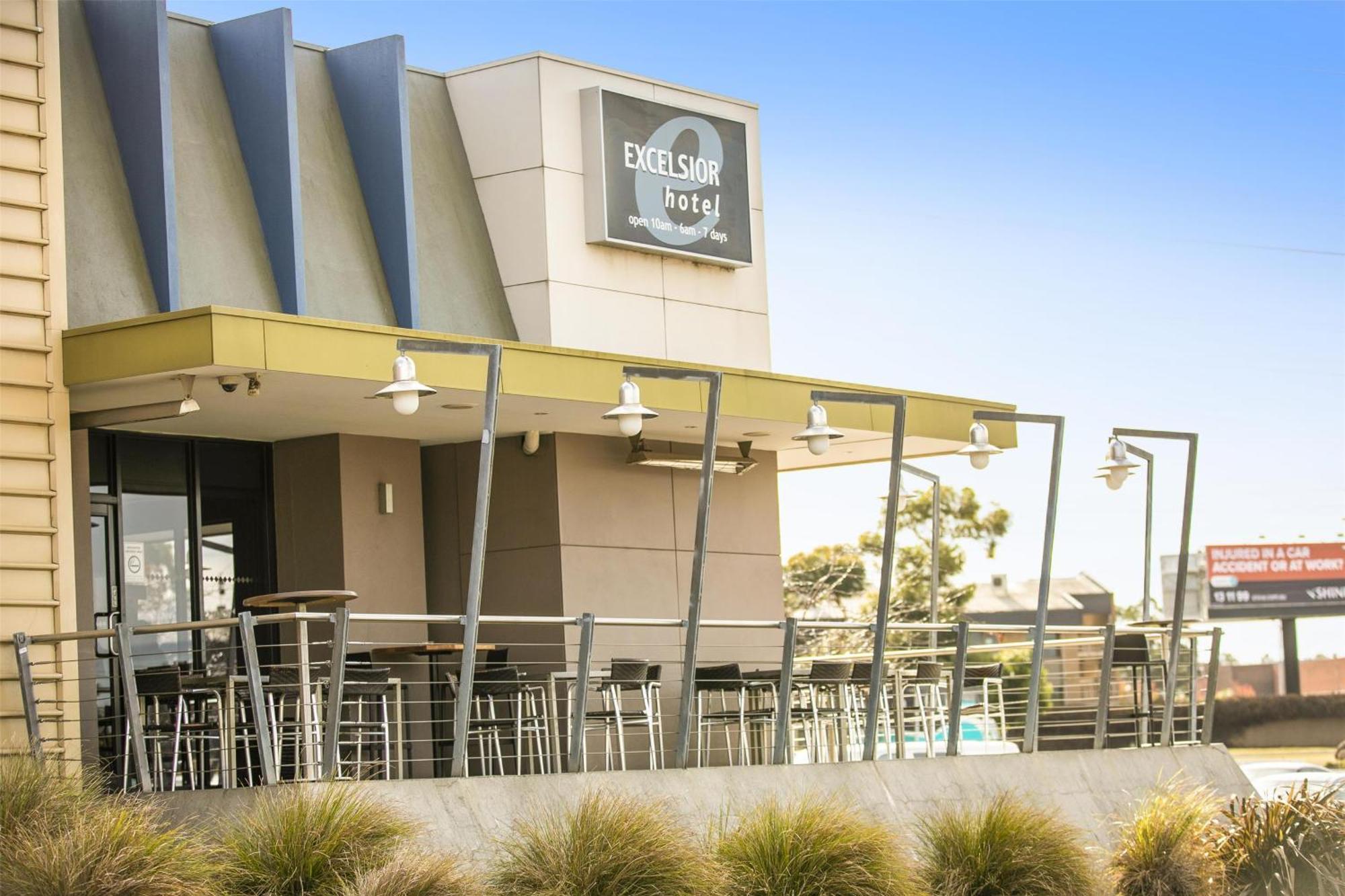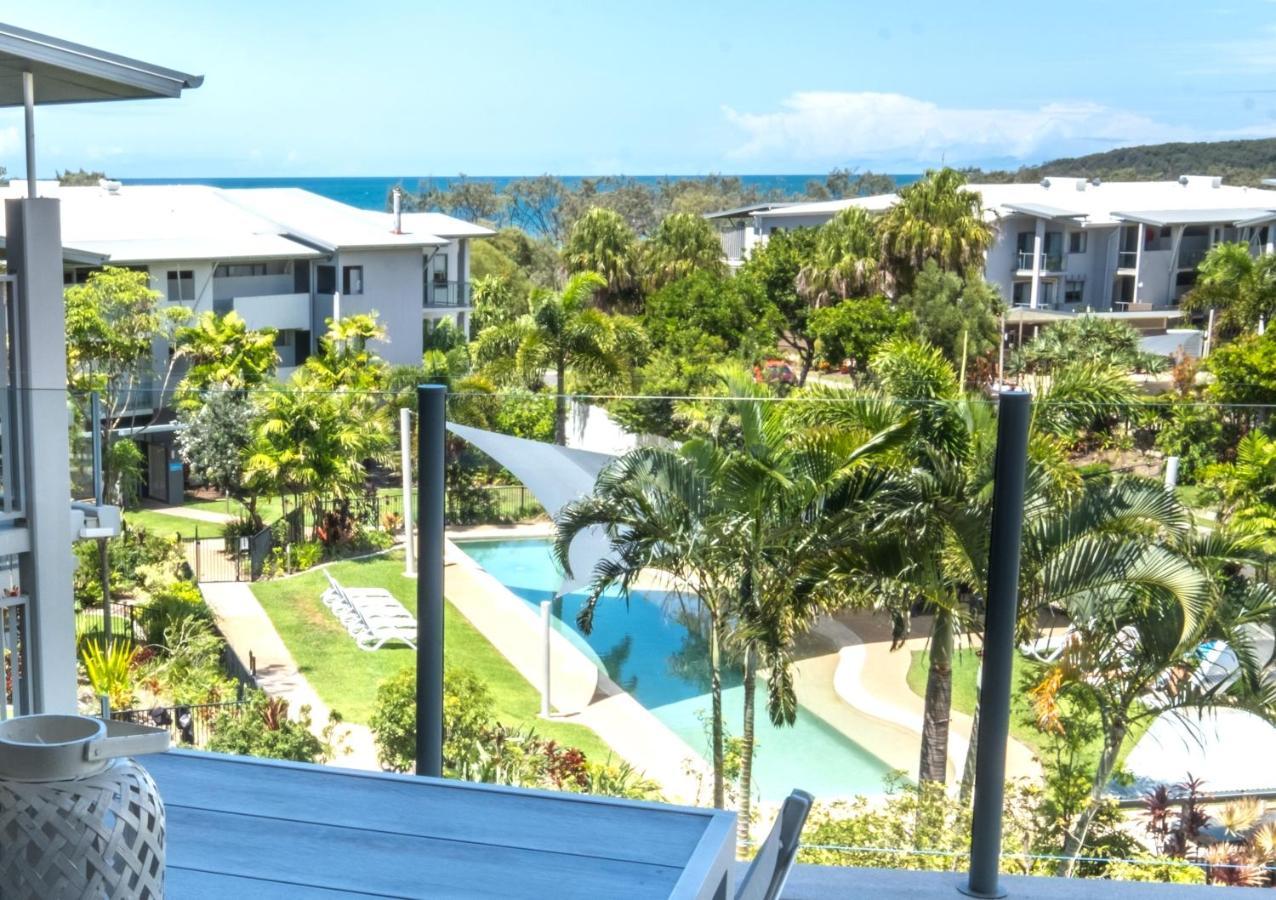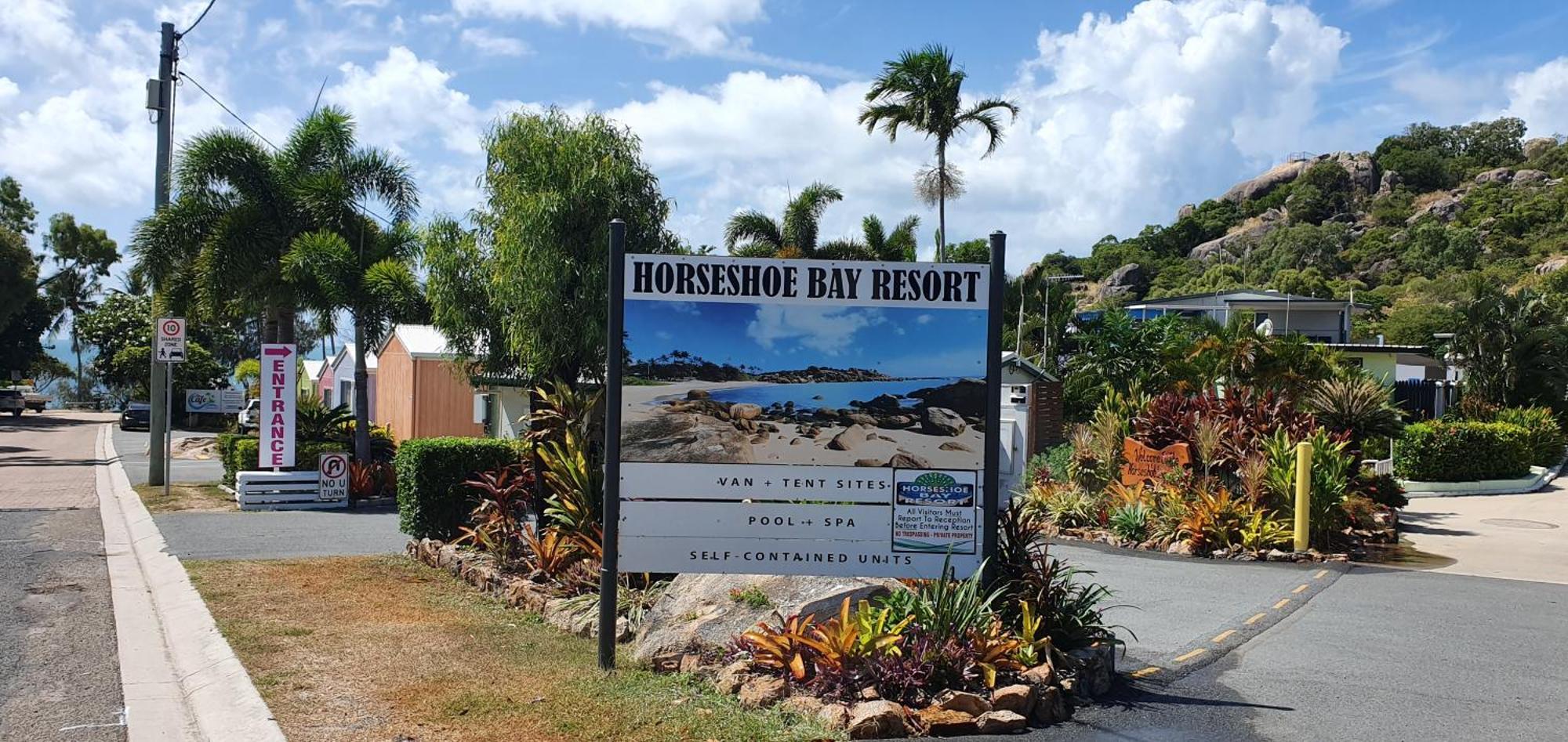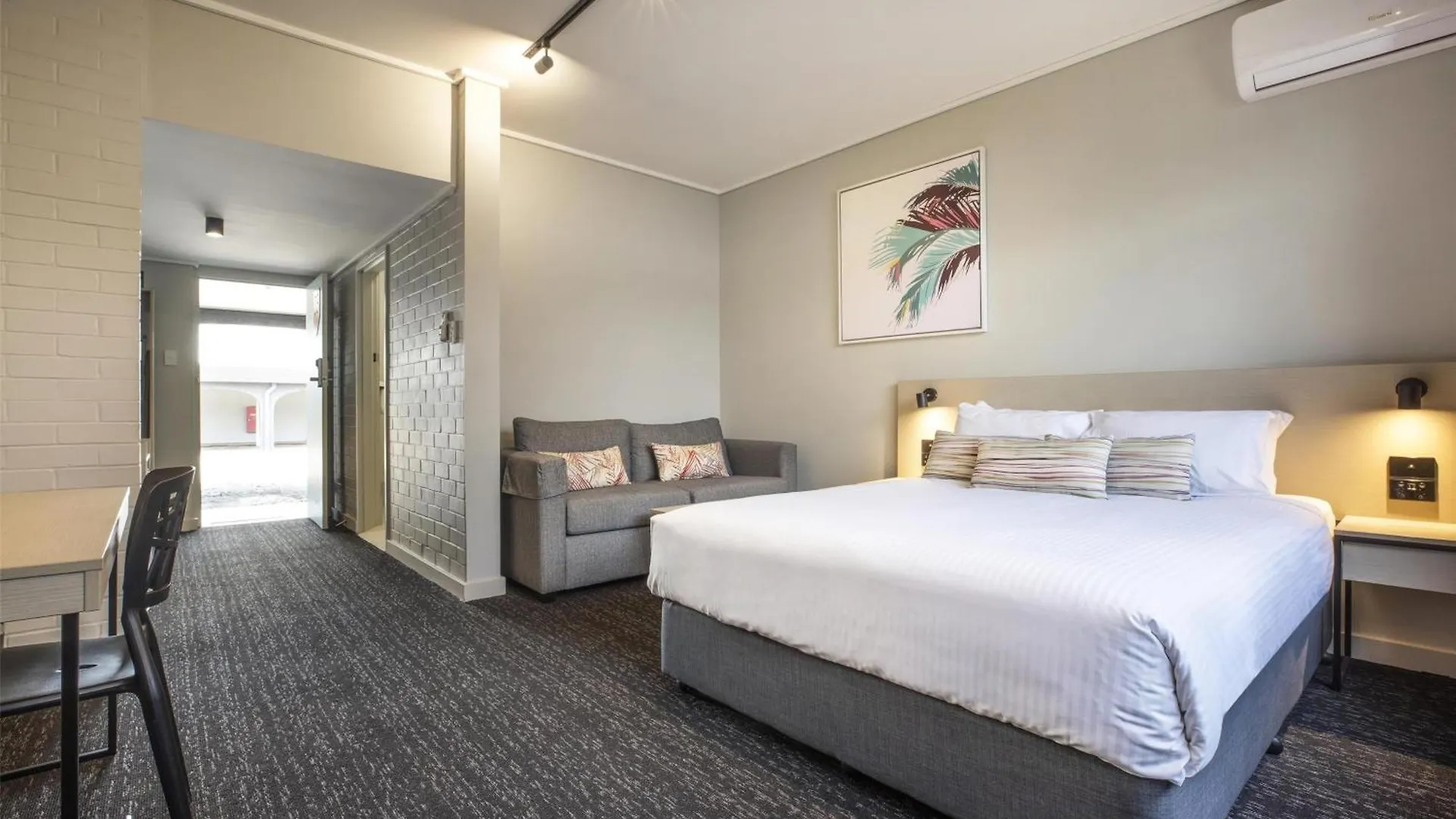
Queensland is one of Australia's most visited states for family travel, offering a rare combination of tropical beaches, UNESCO-listed rainforest, the Great Barrier Reef, and major theme parks within a single destination. From the Whitsunday Islands to the hinterland retreats of the Sunshine Coast and the coastal towns of Far North Queensland, the state gives families genuine geographic variety. This guide covers 15 family-friendly hotels across Queensland's key regions, selected for practical value, space, and access to the experiences families actually come here for.
What It's Like Staying in Queensland with a Family
Queensland stretches over 1,700 kilometres from the Gold Coast to Cape York, which means the experience of staying here varies dramatically depending on which region you choose. Families travelling with children benefit most from basing themselves in one region rather than attempting a cross-state road trip, as distances between major attractions are far greater than they appear on a map. Crowd patterns shift significantly between school holiday periods - during Queensland school holidays, coastal towns like Airlie Beach, Noosa, and Palm Cove see occupancy climb to around 95%, so early planning is non-negotiable.
Most family-friendly hotels across Queensland provide free or low-cost parking, which matters given that public transport outside Brisbane is limited and renting a car is the practical norm for family exploration. The tropical north (Cairns, Port Douglas, Whitsundays) runs on a slower, resort-paced rhythm, while Southeast Queensland moves at a faster urban clip.
Pros:
- Exceptional nature access - families can reach the Great Barrier Reef, Daintree Rainforest, or Whitsunday Islands within a short drive or boat transfer from most hotel bases
- Widespread family room configurations and self-catering apartments make multi-night stays manageable without restaurant meals every night
- Queensland's outdoor lifestyle means hotel pools, BBQ areas, and beach access are standard inclusions rather than premium extras
Cons:
- Regional spread means you will spend significant time in a car - a family itinerary covering Gold Coast, Whitsundays, and Cairns requires either internal flights or very long drives
- Stinger (jellyfish) season in tropical Queensland runs roughly October to May, restricting open-water swimming in many northern coastal areas without stinger suits
- Peak season pricing in resort areas like Hamilton Island and Palm Cove can push even standard family rooms into the premium bracket
Why Choose Family-Friendly Hotels in Queensland
Family-friendly hotels in Queensland consistently offer more practical value than standard hotel rooms - self-contained apartments with full kitchens, multiple-bedroom configurations, and on-site children's facilities are common across the 3-star and above category. Self-catering accommodation can cut daily food costs by around 40% compared to eating every meal out, which is a meaningful saving on a week-long family trip. Unlike family stays in European city hotels, Queensland family accommodation is typically low-rise, spread across landscaped grounds, and oriented around outdoor living rather than compact urban rooms.
The trade-off is that true luxury all-inclusive family resorts remain limited - most Queensland family hotels offer facilities rather than integrated programs, so parents need to organise activities independently or through hotel tour desks. Properties at resort destinations like Hamilton Island or the Whitsundays do bundle more inclusions, but these come at a corresponding price premium. Budget-conscious families will find the best value in self-contained holiday parks and apartment-style properties, many of which sit within a 10-minute drive of the state's key attractions.
Pros:
- Apartment-style rooms with kitchens are widely available even at 3-star properties, giving families genuine self-sufficiency
- Children's pools, playgrounds, BBQ facilities, and family rooms are standard inclusions rather than paid upgrades at most Queensland family hotels
- Free private parking is available at virtually all regional and suburban family hotels, eliminating one of the biggest friction points of family travel
Cons:
- Premium beachfront properties in Hamilton Island and Palm Cove carry significant price premiums, particularly during Queensland school holidays
- Some resort-area family hotels are car-dependent with limited walkability to shops or dining outside the hotel grounds
- On-site dining at smaller family hotels is often limited to one restaurant with restricted hours, which can be inconvenient with young children
Practical Booking and Area Strategy for Families in Queensland
For families visiting Queensland, choosing the right base region matters more than choosing the right hotel. Families focused on reef and island experiences should base themselves in Airlie Beach or Whitsundays for the central reef, or around Cairns and Palm Cove for the northern Great Barrier Reef and Daintree access - these are fundamentally different parts of Queensland requiring separate trips. Southeast Queensland, covering Brisbane, Toowoomba, and the Sunshine Coast, suits families who want urban facilities, theme parks (Warner Bros. Movie World, Australia Zoo), and hinterland day trips without the travel complexity of tropical Queensland.
Hervey Bay is the dedicated launchpad for Fraser Island (K'gari) excursions and whale watching between July and November, making it a focused destination rather than a general base. In Far North Queensland, the stretch between Cairns and Port Douglas - where Ellis Beach sits roughly halfway - gives families beach access, rainforest proximity, and reef tour departure points within a compact corridor. Booking at least 8 weeks ahead for school holiday periods is essential across all coastal regions, as family room inventory at well-rated properties sells out faster than standard rooms. Rockhampton and Mackay function well as overnight stops on a coastal drive rather than multi-night bases unless the Capricorn Caves or Whitsunday day tours are the specific draw.
Best Budget and Mid-Range Family Stays
These properties deliver strong practical value for families - space, kitchen access, outdoor facilities, and proximity to Queensland's key regional attractions without the resort price tag.
-
1. Nightcap At Springwood Hotel
Show on map


 Check-infrom 14:00 until 22:00Check-outuntil 10:00
Best price guarantee
fromAU$ 209
-
2. Coachmans Inn Warwick
Show on map


 Check-infrom 14:00 until 21:00Check-outfrom 07:00 until 10:00
Best price guarantee
fromAU$ 223
-
3. Discovery Parks - Mackay
Show on map


 Check-infrom 14:00 until 16:00Check-outuntil 10:00
Best price guarantee
fromAU$ 183
-
4. Discovery Parks - Rockhampton
Show on map


 Check-infrom 14:00 until 16:00Check-outuntil 10:00
Best price guarantee
fromAU$ 167
-
5. Quest Toowoomba
Show on map


 Check-infrom 14:00 until 21:00Check-outuntil 10:00
Hurry – almost gone at this price!
fromAU$ 241
-
6. Brighton Hotel
Show on map


 Check-infrom 14:00 until 22:00Check-outfrom 09:00 until 10:00
Best price guarantee
fromAU$ 109
Best Premium Family Stays
These properties offer elevated inclusions, resort-standard facilities, or outstanding location access that justify a higher nightly rate for families seeking more from their Queensland base.
-
7. Reef View Hotel
Show on map


 Check-infrom 14:00 until 23:59Check-outuntil 10:00
Rooms filling fast – secure the best rate!
fromAU$ 377
-
2. Mirage Whitsundays
Show on map


 Check-infrom 14:00 until 23:59Check-outuntil 10:00
Just a few rooms left at the best rate!
fromAU$ 333
-
3. Club Wyndham Airlie Beach
Show on map


 Check-infrom 14:00 until 23:59Check-outuntil 10:00
Hurry – almost gone at this price!
fromAU$ 325
-
4. Ramada By Wyndham Hervey Bay
Show on map


 Check-infrom 14:00 until 21:00Check-outfrom 07:00 until 10:00
Best price guarantee
fromAU$ 126
-
5. Ellis Beach Oceanfront Holiday Park
Show on map


 Check-infrom 14:00 until 17:00Check-outfrom 05:00 until 10:00
Just a few rooms left at the best rate!
fromAU$ 183
-
6. Sanctuary Palm Cove
Show on map


 Check-infrom 14:00 until 18:00Check-outfrom 08:00 until 10:00
Best price guarantee
fromAU$ 591
-
7. Pelican Waters Golf Resort Sunshine Coast
Show on map


 Check-infrom 14:00 until 23:59Check-outuntil 10:00
Best price guarantee
fromAU$ 342
-
8. Spicers Tamarind Retreat
Show on map


 Check-infrom 14:00 until 18:00Check-outfrom 07:00 until 11:00
Just a few rooms left at the best rate!
fromAU$ 699
-
15. Ardo
Show on map


 Check-infrom 14:00 until 23:59Check-outuntil 10:00
Rooms filling fast – secure the best rate!
fromAU$ 315
Smart Timing and Booking Advice for Queensland Family Travel
Queensland's school holiday periods - particularly the two-week July school holidays and the December-January summer break - drive the state's highest hotel occupancy and sharpest price increases, particularly in coastal resort areas. Booking at least 8 weeks ahead of any Queensland school holiday window is the single most important action for securing both availability and reasonable rates at family-friendly properties. Outside these windows, the shoulder periods of April-May and September-October offer a balance of manageable weather, thinner crowds, and better nightly rates across most regions.
The tropical north (Cairns, Whitsundays, Hamilton Island) is subject to a wet season running November through April, bringing heavy rainfall, high humidity, and potential cyclone activity - conditions that can disrupt reef tours and outdoor activities. June to September is widely considered the best window for Far North Queensland family travel, combining dry conditions, lower humidity, and active whale migration along the Hervey Bay and Whitsunday corridors. For Southeast Queensland - Brisbane, Sunshine Coast, and the hinterland - the climate is more forgiving year-round, and family hotel pricing tends to be less extreme outside the peak school holiday periods. Most families find a minimum stay of 4 nights necessary to justify the travel time between Queensland's distinct regions; 7-night stays make better financial and logistical sense at resort destinations like Hamilton Island or Palm Cove.