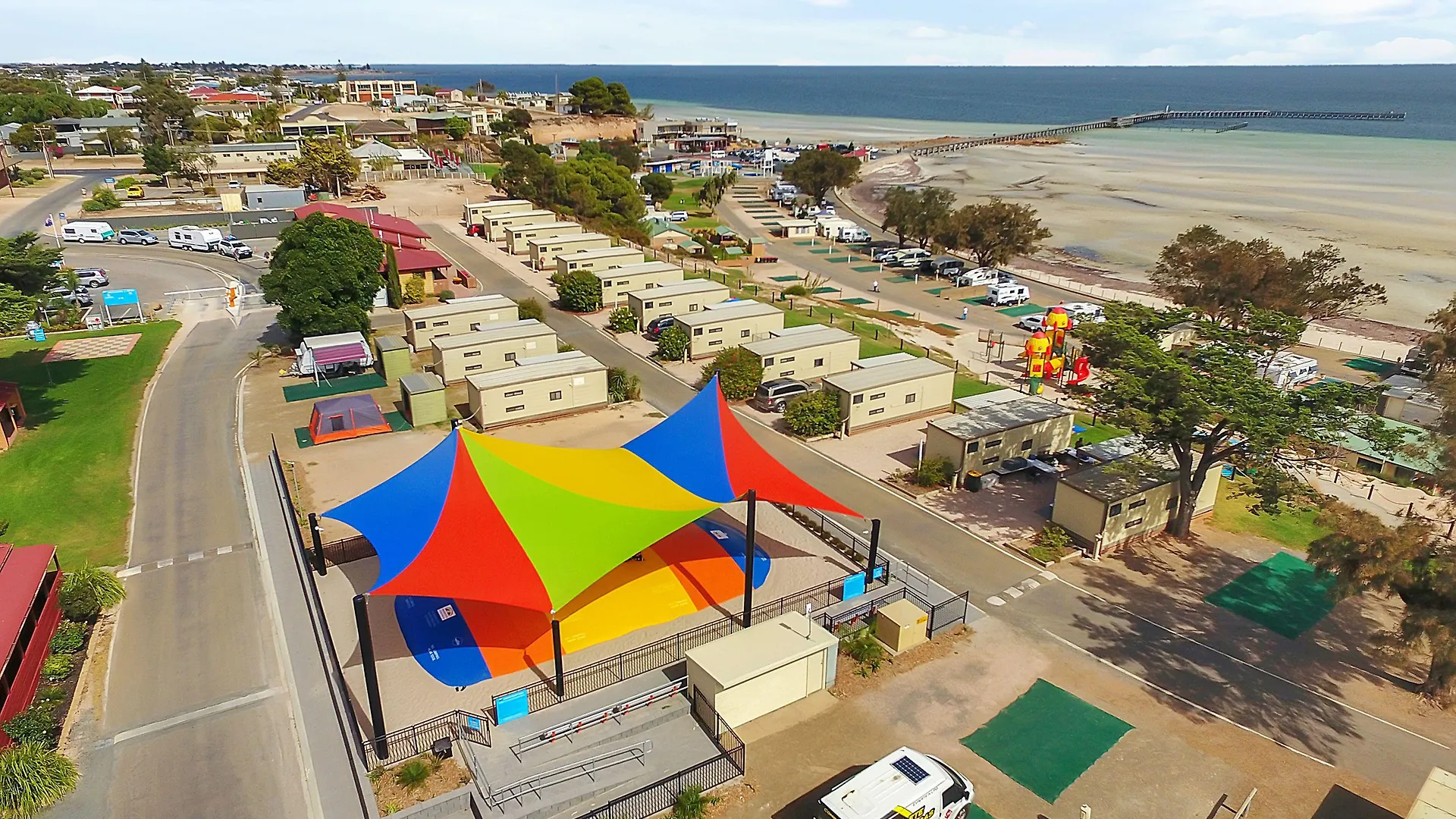
Australia and Oceania cover an enormous geographic spread - from Queensland's subtropical coast to Tasmania's highlands and South Australia's wine country - meaning that choosing a 4-star hotel here requires more than just checking star ratings. The quality, positioning, and facilities of mid-tier properties vary significantly depending on whether you're in a regional town, a beach resort, or a suburban Brisbane neighborhood. This guide cuts through the noise and helps you decide where to stay, what to expect, and which properties deliver real value for your trip.
What It's Like Staying in Australia and Oceania
Australia is one of the most geographically diverse travel destinations in the world, where coastal resorts, wine regions, historic river towns, and wilderness retreats all sit within a single country. Distances between destinations are vast - road trips between regions can easily exceed 3 hours - so choosing the right base significantly impacts your daily itinerary. Crowd patterns differ sharply by zone: coastal towns like Rye and Mandurah peak in January and February during the Australian summer, while heritage towns like Bowral and Mudgee see their busiest weekends during autumn festivals and shoulder-season escapes from Sydney and Melbourne.
Travelers who prefer self-contained, car-based itineraries with access to regional food and wine will find Australia's 4-star resort and motor inn segment particularly well-suited to their needs. Those expecting dense urban walkability or frequent public transport connections may find regional stays frustrating without a rental car.
Pros:
- Australia's regional 4-star properties often sit on large grounds - some on 30 acres or more - giving guests space and natural surroundings that urban hotels can't replicate
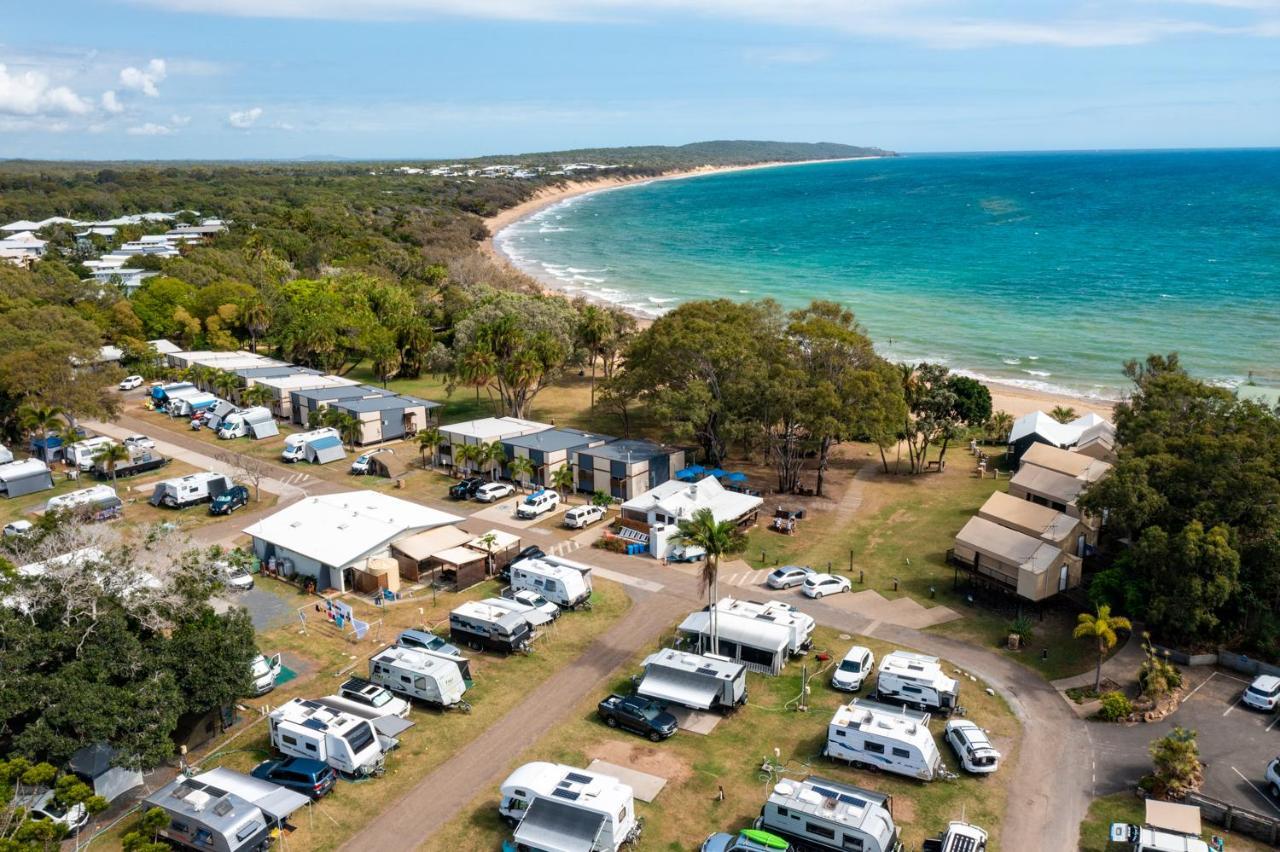
- Beachfront and waterfront access is genuinely common in this tier, not just marketed as proximity
- The 4-star segment in Australia consistently delivers free on-site parking, free WiFi, and self-catering facilities across most property types
Cons:
- Many top regional properties require a car - public transport connections outside capital cities are infrequent or nonexistent
- Occupancy in coastal and resort properties spikes sharply during Australian school holidays, making last-minute booking unreliable
- Room sizes and quality within the same star rating vary significantly between a beachfront resort and a suburban motor inn
Why Choose 4-Star Hotels in Australia and Oceania
The 4-star segment in Australia occupies a practical sweet spot: properties in this category typically offer resort-style facilities - pools, on-site dining, fitness centers - without the pricing premium of 5-star city hotels, which can exceed AUD $400 per night in Sydney or Brisbane. A 4-star regional resort or motor inn generally delivers more space per dollar than an equivalent-tier city hotel, often including balconies, kitchenettes, or full self-catering apartments as standard. In practice, the gap between a 3-star and 4-star property in regional Australia often comes down to pool quality, ground size, and on-site dining - differences that matter significantly on a multi-night stay.
The trade-off is that some 4-star properties outside major cities are motor inn formats, meaning amenities are strong but atmosphere is functional rather than resort-like. Guests should verify whether a property has on-site dining, as regional towns often have limited restaurant options within walking distance, making an on-site restaurant or kitchen facilities critical for evening meals. Parking is nearly universally free in this category across Australia, a meaningful saving versus city hotels charging around AUD $40 per night for overnight parking.
Pros:
- Self-contained apartments and kitchenette rooms are common in Australian 4-star properties, enabling longer stays without eating-out expenses every night
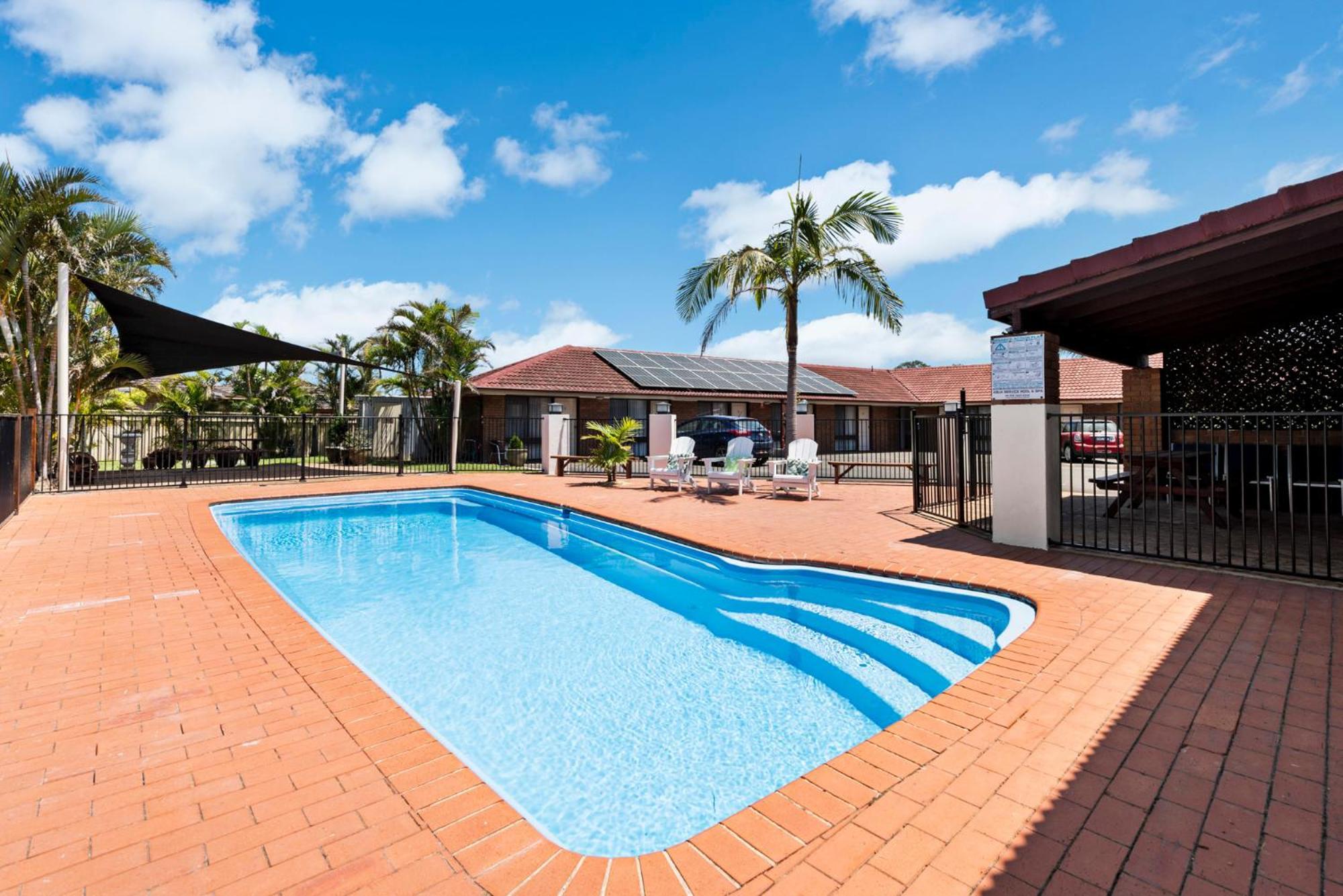
- Most properties in this tier include resort features - pools, BBQ areas, gardens - that add genuine leisure value on multi-night stays
- Free parking is standard across virtually all 4-star regional and suburban Australian hotels
Cons:
- Some motor inn-format 4-star properties lack on-site dining, requiring guests to drive for every meal
- Quality consistency within the 4-star rating varies more in Australia than in European markets - facilities and design range from resort-standard to dated motor inn
- Beachfront and resort properties in this tier command a premium during peak Australian summer and school holiday periods, reducing value significantly
Practical Booking & Area Strategy
For travelers using Australia's east coast as a base, properties within driving distance of Brisbane - such as Pelican Waters on the Sunshine Coast or Aspley Carsel in north Brisbane - offer strong transport connections, with Brisbane Airport accessible in under 25 minutes from both. Sydney basin travelers benefit from regional escapes to Bowral in the Southern Highlands (around 90 minutes south), Mudgee in the central tablelands (under 3 hours), or the Hunter Valley wine region near Cessnock, each of which has direct weekend traffic from Sydney that fills 4-star properties by Thursday evening during peak seasons. South Australian properties near Adelaide - including Largs Pier on the waterfront and Moonta Bay on the Yorke Peninsula - suit travelers combining coast and history, though both require a car for any meaningful exploration.
For Victoria-based itineraries, Echuca on the Murray River and Rye on the Mornington Peninsula are two of the most popular regional escapes from Melbourne. Book Peninsula and Murray River stays at least 6 weeks ahead for long weekend periods, as occupancy in these zones reaches capacity well before arrival dates. Tasmania's Bothwell - home to Ratho Farm - sits around 77 km from Hobart Airport and suits travelers seeking a quiet rural retreat rather than a touring base. Properties in New South Wales regional towns like Bathurst and Newcastle offer reliable year-round availability and lower seasonal price fluctuation than coastal counterparts.
Best Value Stays
These properties deliver strong 4-star facilities at a regional price point, making them the most cost-efficient choices for car-based travelers exploring Australia's countryside, coastline, and wine regions.
-
1. Moonta Bay Holiday Park
Show on map


 Check-infrom 14:00 until 23:59Check-outuntil 10:00
Best price guarantee
fromAU$ 147
-
2. Sportsmans Motor Inn
Show on map


 Check-infrom 14:00 until 19:00Check-outfrom 07:00 until 10:00
Rooms filling fast – secure the best rate!
fromAU$ 155
-
3. Bathurst Motor Inn
Show on map


 Check-infrom 14:00 until 23:30Check-outfrom 03:00 until 10:00
Just a few rooms left at the best rate!
fromAU$ 287
-
4. Aspley Carsel Motor Inn
Show on map


 Check-infrom 14:00 until 20:00Check-outuntil 10:00
Hurry – almost gone at this price!
fromAU$ 137
-
5. Wine Country Motor Inn
Show on map


 Check-infrom 14:00 until 19:30Check-outfrom 07:00 until 10:00
Best price guarantee
fromAU$ 127
-
6. Imperial Motel
Show on map


 Check-infrom 12:00 until 20:00Check-outfrom 07:00 until 10:00
Best price guarantee
fromAU$ 176
-
7. Jesmond Executive Villas
Show on map


 Check-infrom 15:00 until 23:59Check-outuntil 10:00
Rooms filling fast – secure the best rate!
fromAU$ 97
-
8. Moonlight Bay Apartments
Show on map


 Check-infrom 14:00 until 17:00Check-outfrom 08:00 until 10:00
Rooms filling fast – secure the best rate!
fromAU$ 192
Best Premium Stays
These properties stand out within the 4-star tier for their resort-scale facilities, distinctive settings, or superior positioning - offering a noticeably elevated experience for travelers willing to invest slightly more per night.
-
1. Pelican Waters Golf Resort Sunshine Coast
Show on map


 Check-infrom 14:00 until 23:59Check-outuntil 10:00
Hurry – almost gone at this price!
fromAU$ 342
-
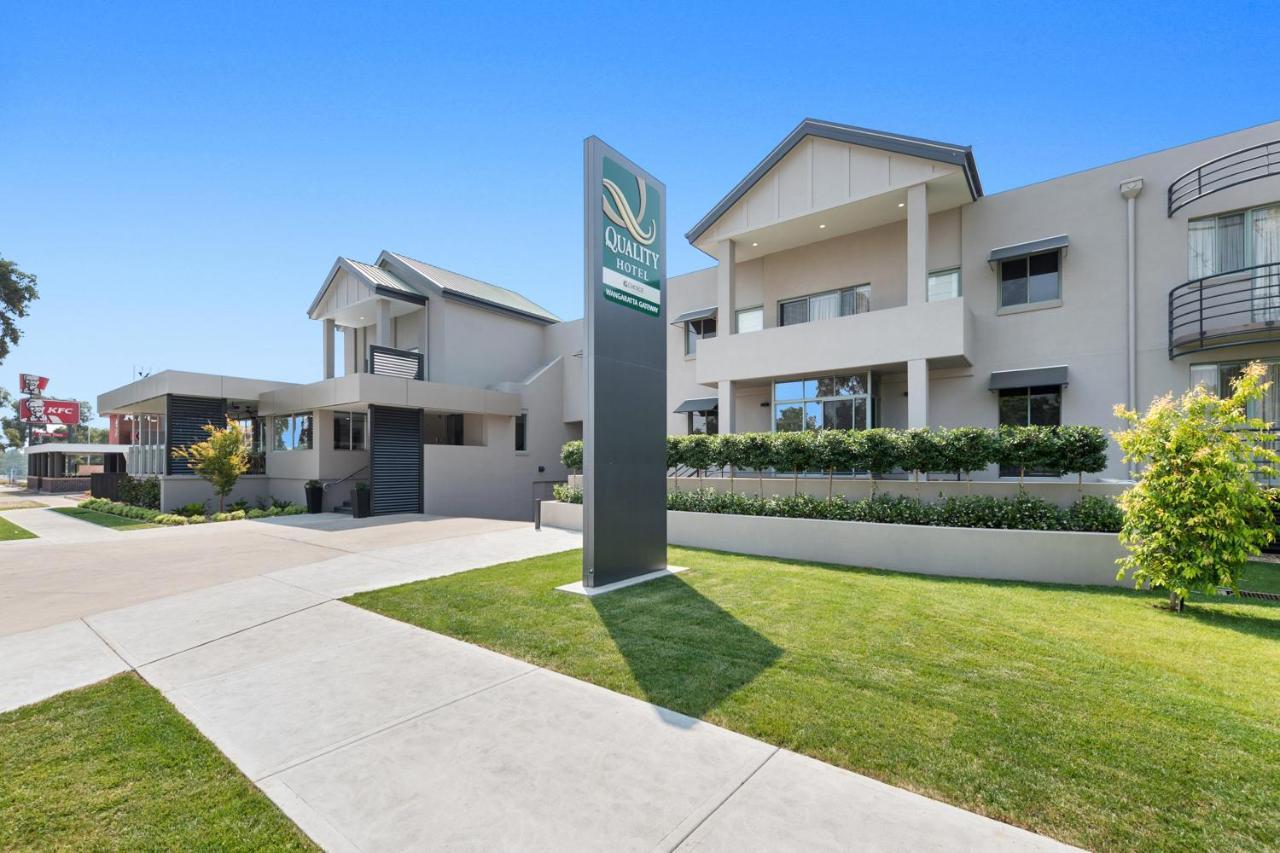
2. Quest Echuca
Show on map


 Check-infrom 14:00 until 21:00Check-outfrom 07:00 until 10:00
Just a few rooms left at the best rate!
fromAU$ 207
-
11. Parklands Resort Mudgee
Show on map


 Check-infrom 14:00 until 23:59Check-outuntil 10:00
Hurry – almost gone at this price!
fromAU$ 249
-
12. Rambla At Perry House
Show on map


 Check-infrom 14:00 until 22:00Check-outfrom 08:00 until 10:00
Best price guarantee
fromAU$ 300
-
5. Largs Pier Hotel
Show on map


 Check-infrom 14:00 until 23:59Check-outuntil 11:00
Just a few rooms left at the best rate!
fromAU$ 160
-
6. Ratho Farm
Show on map


 Check-infrom 15:00 until 20:00Check-outfrom 08:00 until 10:00
Just a few rooms left at the best rate!
fromAU$ 209
-
7. Silver Sands Resort Mandurah
Show on map


 Check-infrom 16:00 until 17:00Check-outuntil 10:00
Hurry – almost gone at this price!
fromAU$ 217
Smart Travel & Timing Advice for Australia and Oceania
Timing your stay in Australia depends heavily on which region you're targeting. Coastal properties along Queensland's Sunshine Coast and Western Australia's Mandurah - including Pelican Waters and Silver Sands Resort - operate at near-full capacity during the Australian summer (December to February) and all school holiday periods, with prices rising around 40% above shoulder-season rates. Book coastal properties at least 6 weeks in advance for any stay overlapping with public or school holidays. New South Wales wine country properties near Mudgee and the Hunter Valley see their strongest demand during the Mudgee Wine & Food Festival in September and the Hunter Valley's harvest season in February and March, when availability tightens sharply on weekends.
For regional Victoria - including Echuca, Rye, and Barooga - the Murray River and Mornington Peninsula both peak during the January-February summer window and Easter long weekend. Autumn (March to May) offers the best balance of comfortable temperatures, lower prices, and manageable crowd levels across most inland and highland destinations including Mudgee, Bowral, and Tasmania's Central Highlands. Most properties in this guide suit a minimum 2-night stay to justify the travel distance involved; properties with full kitchens - such as Quest Echuca, Jesmond Executive Villas, and Silver Sands Resort - become increasingly cost-effective at 4 nights or longer, as self-catering significantly reduces daily expenditure in regions where restaurant options are limited or expensive.