Aparthotels have become the go-to accommodation format across Australia and Oceania for travellers who need more than a bed and a bathroom. With self-contained kitchens, in-unit laundry, and living spaces that actually function, they suit extended stays, family trips, and business travel far better than standard hotel rooms across cities like Sydney, Gold Coast, Canberra, and regional hotspots from the Whitsundays to Lord Howe Island.
What It's Like Staying in Australia and Oceania
Australia's sheer scale defines the travel rhythm here - distances between cities are significant, domestic flights are common, and car hire is often essential outside major urban centres. Coastal destinations like Airlie Beach, Bargara, and Esperance attract leisure travellers, while capitals like Sydney, Melbourne, and Canberra drive consistent corporate demand year-round. Regional towns such as Warrnambool and Ipswich offer a slower pace, where self-contained accommodation fills a clear gap left by limited hotel stock. Oceania's outliers, like Lord Howe Island, operate on a quota-based visitor system, making forward planning non-negotiable.
Crowd patterns peak between December and February along coastal areas, while urban hubs like Sydney and Melbourne see sustained demand almost year-round. Travellers seeking space, value, and flexibility consistently outperform those locked into traditional hotel stays - especially on trips exceeding four nights.
Pros:
- Vast geographic spread means aparthotels exist in both major cities and hard-to-reach coastal or outback destinations
- Self-contained units reduce daily food costs significantly, especially relevant in remote areas where dining options are limited
- Australia's strong infrastructure in cities allows aparthotel guests easy access to public transport, major attractions, and business districts
Cons:
- Distances between regions require careful planning - an aparthotel in Sunshine, Melbourne feels very different logistically from one near Uluru
- Coastal and island locations like Lord Howe Island have extremely limited accommodation supply, driving prices up and availability down during peak season
- Some regional aparthotels lack elevator access or accessibility features, which can be a real barrier for guests with mobility needs
Why Choose Aparthotels in Australia and Oceania
Aparthotels in Australia and Oceania deliver a level of practicality that standard hotels simply cannot match - particularly for stays beyond three nights. Full kitchens, private laundry, and separate living areas are standard across most properties in this category, cutting catering costs and providing the kind of flexibility that suits families, corporate relocators, and long-haul travellers arriving from Europe or Asia. Nightly rates at aparthotels often run around 20% lower than comparable hotel rooms when factoring in savings on meals and laundry services. Room sizes tend to be genuinely generous - studio units in most Australian aparthotels exceed 35 square metres, with one-bedroom apartments often surpassing 55 square metres.
The trade-off is that amenities like on-site restaurants or room service are inconsistent across properties. Some aparthotels, particularly in suburban or regional locations, sit away from walkable dining strips, making personal transport or grocery planning necessary. Noise levels are generally lower than city-centre hotels, though properties near motorways or commercial precincts in suburban Melbourne or Sydney require checking room orientation before booking.
Pros:
- Full kitchen and laundry facilities significantly reduce total trip costs on stays of four nights or more
- Apartment-style layouts provide genuine separation between sleeping and living areas, critical for family or group travel
- Pet-friendly and accessibility-adapted rooms are more consistently available across aparthotel brands in Australia than in standard hotels
Cons:
- On-site dining options are limited or absent at many properties, requiring guests to plan meals independently
- Suburban or regional locations may lack walkable amenity strips, making car access important
- Some properties charge separately for parking, pool heating surcharges, or pet fees, which inflates the apparent base rate
Practical Booking and Area Strategy
Positioning matters enormously across Australia and Oceania given the country's scale. In Sydney, staying in North Sydney at a property like Citadines Walker places guests within 1.2 km of Luna Park and directly connected to the CBD via rail in under 10 minutes - a practical alternative to higher-priced CBD hotels. On the Gold Coast, Robina sits inland from Surfers Paradise but offers direct rail access to the beach strip and proximity to Robina Town Centre for everyday needs. Canberra's northern suburbs, including Gungahlin, connect to the city via light rail, making suburban aparthotels genuinely viable for both business and leisure stays. For outback travel near Uluru, accommodation options are highly concentrated around the Ayers Rock Resort complex, and booking at least 8 weeks in advance is strongly recommended during the April-October peak season when temperatures are manageable. Coastal towns like Forster, Bargara, and Esperance are best approached via car, as public transport connections are minimal - factor in free parking availability as a key filter when comparing properties in these areas. Lord Howe Island requires a flight from Sydney or Brisbane and operates with a strict visitor cap, making last-minute bookings virtually impossible during school holidays.
Best Value Aparthotels
These properties deliver strong practical value - combining self-contained facilities, free parking, and solid location positioning - at price points accessible to families, road-trippers, and extended-stay travellers across regional and suburban Australia.
-
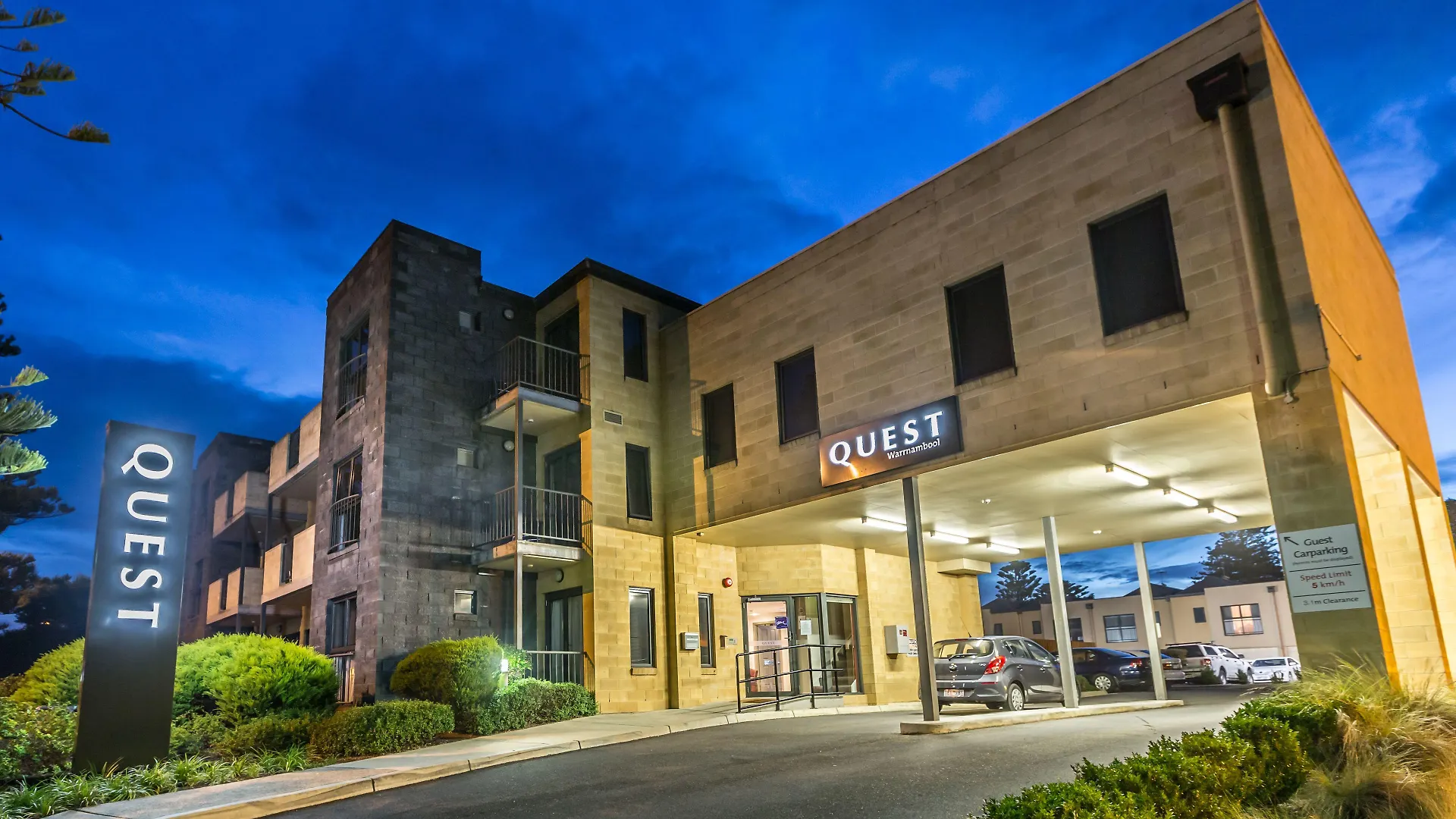
1. Quest Warrnambool
Show on map


 Check-infrom 14:00 until 21:00Check-outfrom 07:00 until 10:00
Rooms filling fast – secure the best rate!
fromAU$ 322
-
2. The Brighton Apartments
Show on map


 Check-infrom 14:00 until 23:30Check-outuntil 10:00
Best price guarantee
fromAU$ 170
-
3. Clearwater Motel Apartments
Show on map


 Check-infrom 13:30 until 17:00Check-outuntil 10:00
Best price guarantee
fromAU$ 189
-
4. Koola Beach Apartments Bargara
Show on map


 Check-infrom 14:00 until 17:00Check-outfrom 06:00 until 10:00
Best price guarantee
fromAU$ 175
-
5. Quest Ipswich
Show on map


 Check-infrom 14:00 until 22:00Check-outfrom 07:00 until 10:00
Rooms filling fast – secure the best rate!
fromAU$ 441
-
6. Abode Gungahlin
Show on map


 Check-infrom 14:00 until 20:00Check-outfrom 08:00 until 10:00
Best price guarantee
fromAU$ 150
-
7. Punthill Sunshine
Show on map


 Check-infrom 14:00 until 23:59Check-outuntil 10:00
Best price guarantee
fromAU$ 160
-
8. Punthill Caroline Springs
Show on map


 Check-infrom 14:00 until 21:30Check-outfrom 06:00 until 10:00
Hurry – almost gone at this price!
fromAU$ 177
Best Premium Aparthotels
These properties combine standout locations - from Sydney's North Shore to the Whitsunday beachfront and the edge of Uluru - with superior facilities, higher room specifications, or unique destination value that justifies a stronger nightly rate.
-
1. Citadines Walker North Sydney
Show on map


 Check-infrom 14:00 until 23:00Check-outfrom 07:00 until 11:00
Rooms filling fast – secure the best rate!
fromAU$ 362
-
10. Quest Robina
Show on map


 Check-infrom 14:00 until 22:00Check-outfrom 07:00 until 10:00
Hurry – almost gone at this price!
fromAU$ 195
-
3. Whitsunday Terraces Resort
Show on map


 Check-infrom 14:00 until 17:00Check-outfrom 08:00 until 10:00
Just a few rooms left at the best rate!
fromAU$ 152
-
4. Sevan Apartments Forster
Show on map


 Check-infrom 14:00 until 17:00Check-outfrom 09:00 until 10:00
Best price guarantee
fromAU$ 210
-
5. Somerset Apartments
Show on map


 Check-infrom 14:00 until 23:59Check-outuntil 10:00
Just a few rooms left at the best rate!
fromAU$ 227
-
6. Emu Walk Apartments
Show on map


 Check-infrom 15:00 until 23:59Check-outuntil 10:00
Just a few rooms left at the best rate!
fromAU$ 372
-
7. Amadiya Port Arthur Villas
Show on map


 Check-infrom 14:00 until 23:00Check-outfrom 09:00 until 10:00
Hurry – almost gone at this price!
fromAU$ 432
Smart Travel and Timing Advice for Aparthotels in Australia and Oceania
Timing your aparthotel stay across Australia and Oceania has a direct impact on both price and availability. The December to January school holiday period drives occupancy across coastal properties to near capacity, with rates at beachside aparthotels in Forster, Bargara, and Airlie Beach rising sharply - booking at least 10 weeks ahead is the minimum buffer for these locations during this period. Urban aparthotels in Sydney, Melbourne, and Canberra maintain more consistent year-round demand, with slight softening in late January and February after the school rush subsides, offering a window for better rates on longer stays. Uluru and the Northern Territory are best visited between April and September when daytime temperatures drop to manageable levels - the December to February wet season makes outdoor activities uncomfortable and some roads impassable. Lord Howe Island requires the most forward planning of any destination in this guide, with a visitor quota system meaning peak-season availability sells out months in advance; aim to book the same time the previous year opens for reservations. For Melbourne-area suburban aparthotels like Punthill Sunshine or Punthill Caroline Springs, the Australian Open in January and the Grand Prix in March cause city-wide rate spikes - booking those specific weeks at least 8 weeks ahead prevents significant overpaying. A stay of around 5 nights is the practical minimum to fully justify the self-catering and laundry advantages of an aparthotel over a conventional hotel across most Australian destinations.