Western Australia's coastline stretches over 12,500 kilometres, but the West Coast corridor - from Mandurah and Fremantle in the south to Kalbarri in the north - concentrates the most practical and rewarding hotel stays in the state. Whether you're road-tripping through the Coral Coast, exploring Fremantle's port city culture, or using Mandurah as a Perth-adjacent base, choosing where to stay shapes your entire trip. This guide breaks down the real logistics, area trade-offs, and the best hotels currently available across this stretch of coast.
What It's Like Staying in West Coast Australia
The West Coast of Australia isn't a single destination - it's a 1,000-kilometre driving corridor where each stop has a distinct rhythm. Fremantle buzzes with heritage pubs and ferry connections to Rottnest Island, while Mandurah operates as a quieter estuary town popular with Perth locals on weekends. Further north, Kalbarri sits at the edge of a national park, drawing nature-focused travellers who accept that the nearest city is over 160 km away. Self-driving is essential on this coastline - public transport beyond the Perth metro area is extremely limited. Coastal towns like Kalbarri and Lake Clifton have no rideshare infrastructure, meaning car access isn't optional, it's the trip.
Crowds peak sharply in the Australian summer (December to February) and during school holidays, particularly in Mandurah and Fremantle, which are within commuting distance of Perth's around 2 million residents.
Pros:
- Diverse stop options along one driveable route - from urban Fremantle to remote Kalbarri - suit multi-stop itineraries without backtracking
- Fremantle and Mandurah hotels offer genuine coastal proximity with urban-level amenities, unlike many remote Australian beach towns
- Accommodation pricing along the West Coast remains significantly lower than equivalent coastal stays on the East Coast
Cons:
- No reliable public transport north of Mandurah means travellers without a car are effectively locked out of most of this coastline
- Kalbarri and Lake Clifton have minimal dining and nightlife infrastructure - evening options are almost entirely hotel-based
- Summer heat regularly exceeds 40°C inland and in northern towns like Kalbarri, making midday outdoor activity impractical without planning
Why Choose a Hotel in West Coast Australia
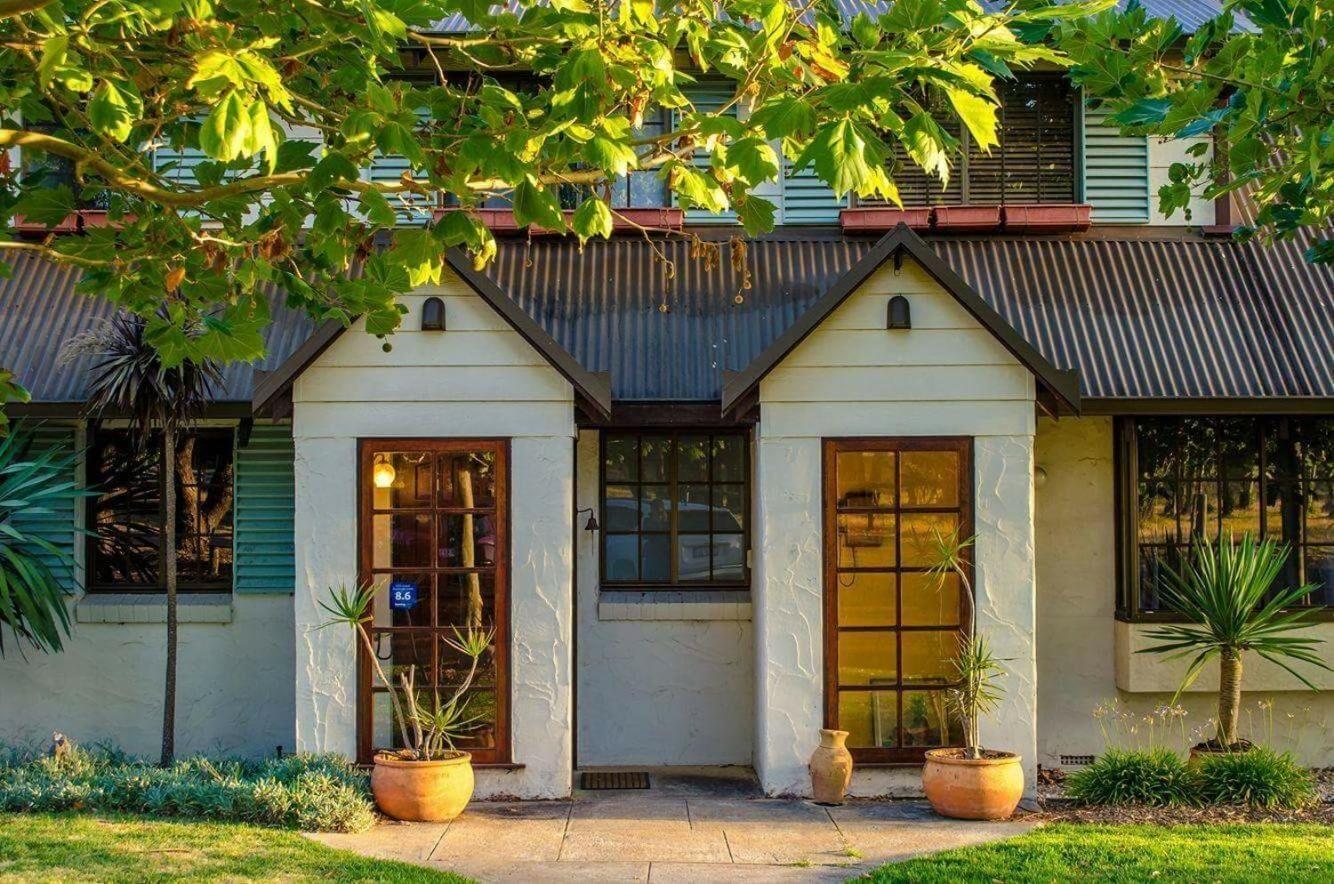
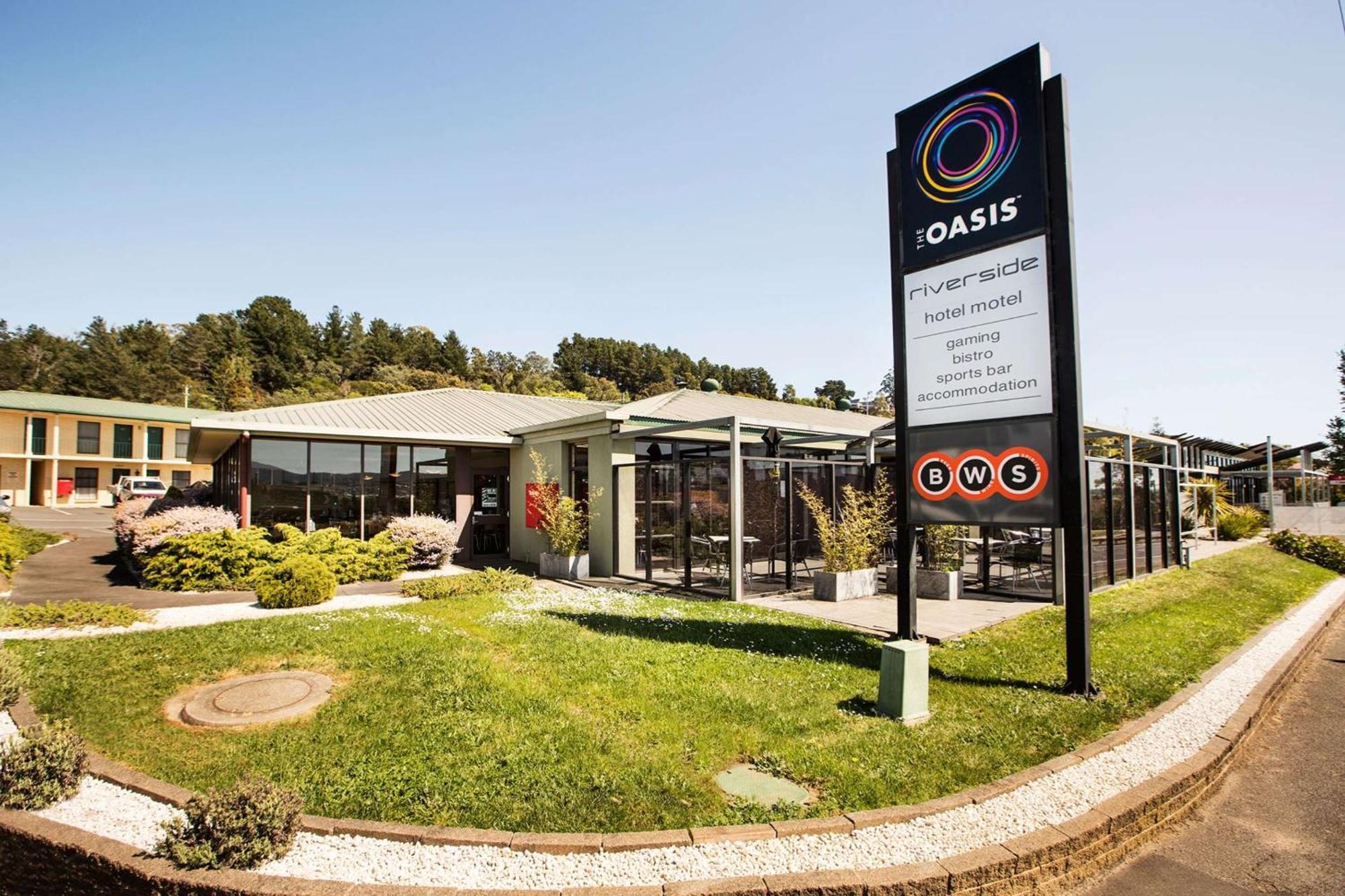
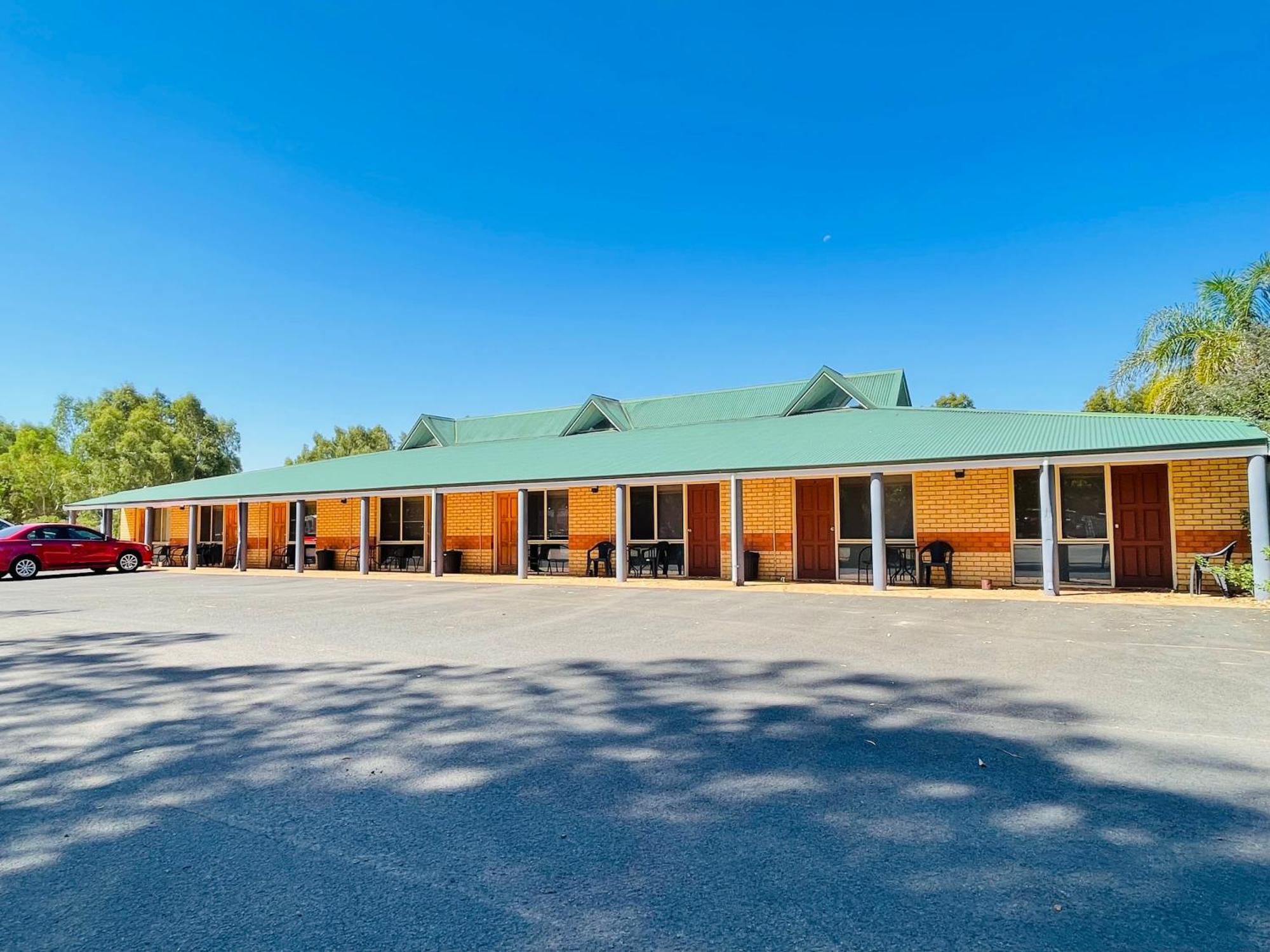
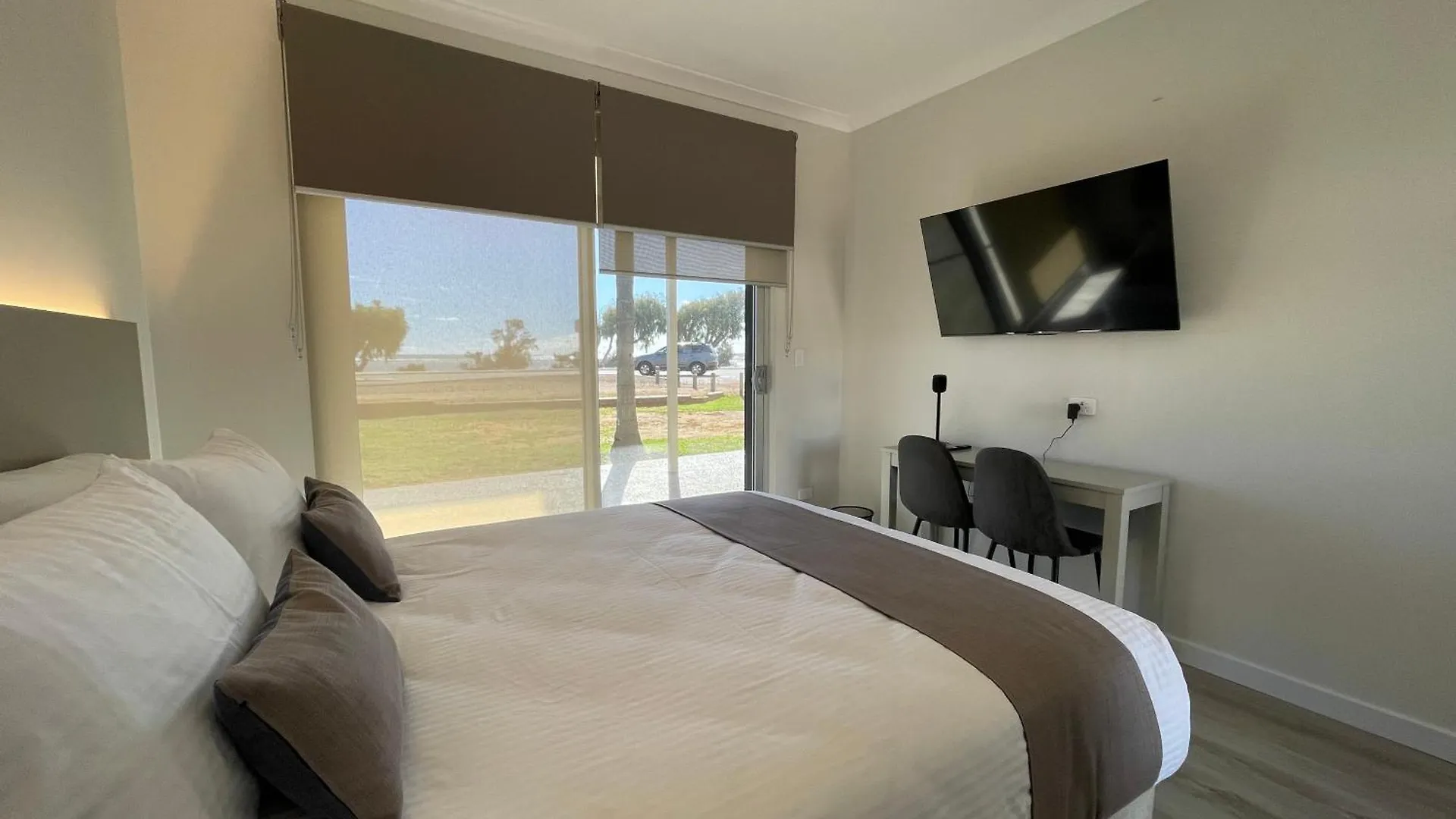
Hotels along Western Australia's West Coast cover a genuine spread - from pub-style motor hotels in remote coastal towns to short-stay apartments in Mandurah and character-rich heritage properties in Fremantle. Unlike resorts or caravan parks (which dominate parts of this coastline), hotels here offer predictable room standards, on-site facilities, and easier booking cancellation terms. Free parking is nearly universal across West Coast hotels, reflecting the car-dependent nature of travel in this region - a practical benefit that coastal hotels in Sydney or Melbourne rarely include at no charge. Room sizes tend to be generous by Australian standards outside Perth's CBD, with most motor-style and motel properties offering ground-floor access, drive-up parking, and functional layouts suited to travellers carrying gear, surfboards, or dive equipment.
The key trade-off is that West Coast hotels in smaller towns like Kalbarri or Lake Clifton operate with limited on-site dining hours and no 24-hour front desk in most cases - late arrivals need to plan check-in times carefully. Budget positioning is strong: most properties in this corridor sit well below equivalent beachside hotels in Queensland or New South Wales.
Pros:
- Free on-site parking included at virtually every hotel on this stretch - a meaningful cost saving for road-trippers spending multiple nights
- Room sizes in motor hotels and tavern-style properties are typically larger than city-centre equivalents, with practical layouts for gear-heavy travellers
- Hotels in Fremantle and Mandurah provide walkable access to restaurants, bars, and marinas without needing to drive after check-in
Cons:
- On-site dining at remote West Coast hotels is limited in hours and menu variety - self-catering or early dining habits are necessary in smaller towns
- Hotel-style accommodation in Kalbarri and Lake Clifton has low competition, meaning pricing doesn't drop significantly even in low season
- Some properties along this corridor use shared bathroom configurations - always confirm bathroom type before booking if this matters to your group
Practical Booking & Area Strategy for West Coast Australia
The most strategically positioned base for exploring the southern West Coast is Mandurah - located around 84 km south of Perth Airport, it gives road-trippers direct highway access to Busselton and the Margaret River region to the south, while staying close enough to Fremantle and Perth for day trips. Fremantle itself suits travellers who want urban walkability: the port precinct, South Beach, and the ferry terminal to Rottnest Island are all within cycling distance of central hotels. For those heading north toward the Coral Coast, Kalbarri is the logical overnight stop before or after Kalbarri National Park's gorge walks and the newly opened Nature's Window trail extension. Book Kalbarri hotels at least 6 weeks ahead during Western Australia's school holidays (especially September-October and January), when the town's limited accommodation fills completely. Lake Clifton, positioned between Mandurah and Bunbury, works best as a one-night stopover rather than a base - its proximity to the Thrombolites at Lake Clifton (one of only a few living stromatolite sites in the world) makes it a worthwhile scientific and natural detour, but the surrounding area has minimal tourism infrastructure beyond the motel itself.
Best Value Stays
These hotels offer the strongest combination of location access, practical amenities, and honest pricing for travellers moving through the West Coast corridor without overpaying for features they won't use.
-
1. Kalbarri Motor Hotel
Show on map


 Check-infrom 14:00 until 21:00Check-outfrom 06:00 until 10:00
Just a few rooms left at the best rate!
fromAU$ 202
- Show on map
Best price guarantee
-
3. Breakwater Short Stay
Show on map


 Check-infrom 14:00 until 18:00Check-outfrom 07:00 until 10:00
Just a few rooms left at the best rate!
fromAU$ 120
Best Premium Stays
These two properties offer additional dining, bar facilities, and distinct character - better suited to travellers who want a full-service experience rather than a functional overnight stop.
-
4. The Beaconsfield Hotel
Show on map


 Check-infrom 14:00 until 20:00Check-outfrom 08:00 until 10:00
Hurry – almost gone at this price!
fromAU$ 120
-
2. Mahogany Inn And Distillery
Show on map


 Check-infrom 13:00 until 21:00Check-outfrom 08:00 until 11:00
Rooms filling fast – secure the best rate!
fromAU$ 188
Smart Travel & Timing Advice for West Coast Australia
The optimal window for West Coast Australia travel is April to October - the southern hemisphere autumn through spring - when temperatures along the coast sit between 18°C and 28°C, making beach, hiking, and marina activities genuinely comfortable. July and August bring peak whale watching season along the Coral Coast near Kalbarri, which pushes that town's limited accommodation to capacity weeks in advance. Fremantle and Mandurah see their highest occupancy during the December-January summer school holidays and during major Perth events (concerts at Optus Stadium, racing carnivals), when hotel rates in the wider Perth metro area spike by around 40%. For shoulder-season value, May and September offer the best balance of mild weather, lower pricing, and manageable crowd levels across all five hotel locations covered here. A minimum of 2 nights in Fremantle is worth planning - one day for Rottnest Island and one for the Fremantle Markets and port precinct - while Kalbarri warrants at least 2 nights to cover both the coastal cliffs and the inland gorge walks in Kalbarri National Park without rushing. Last-minute bookings in Kalbarri are high-risk year-round given the town's small total room inventory - early booking is not just advised but often necessary.