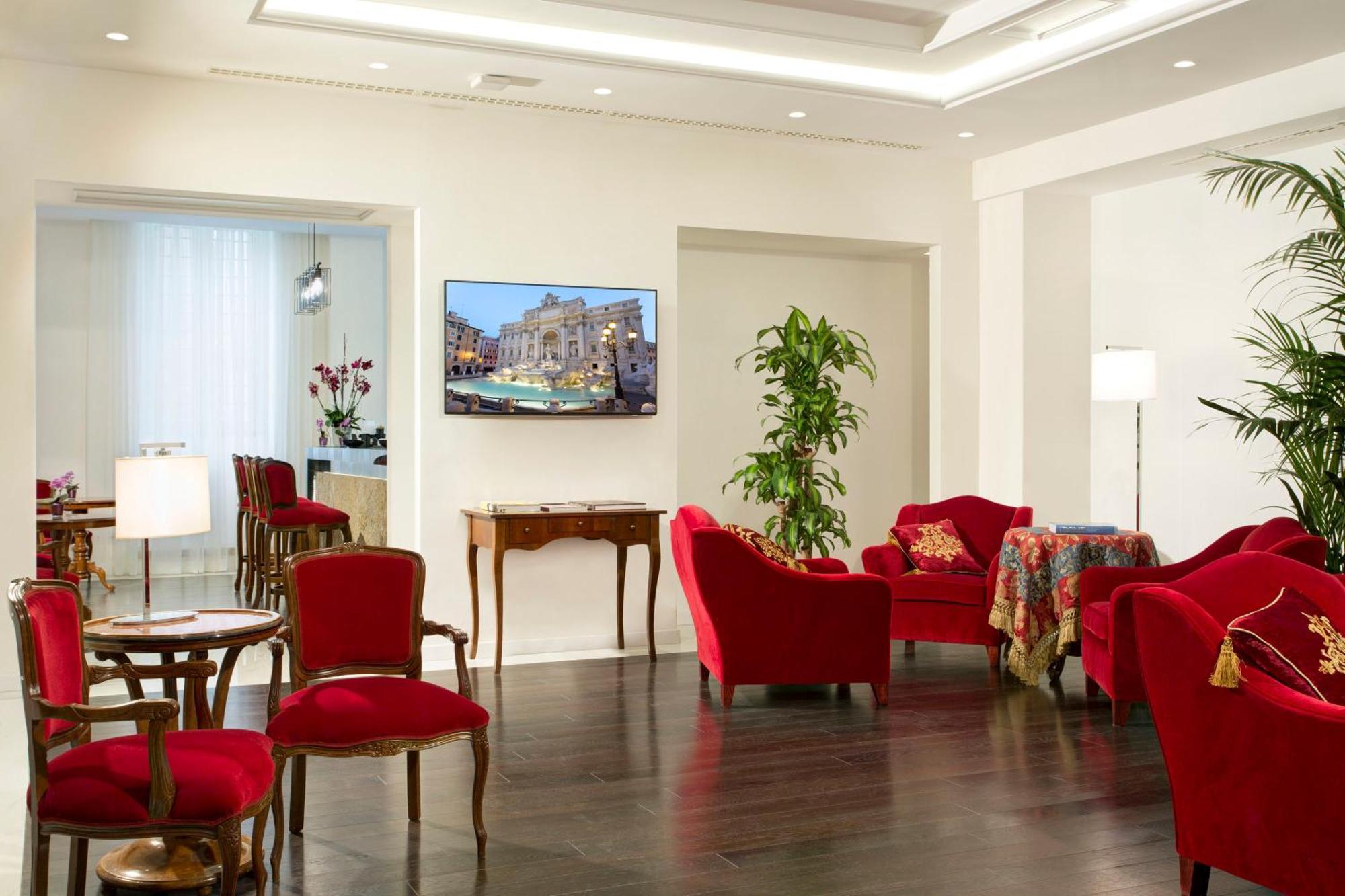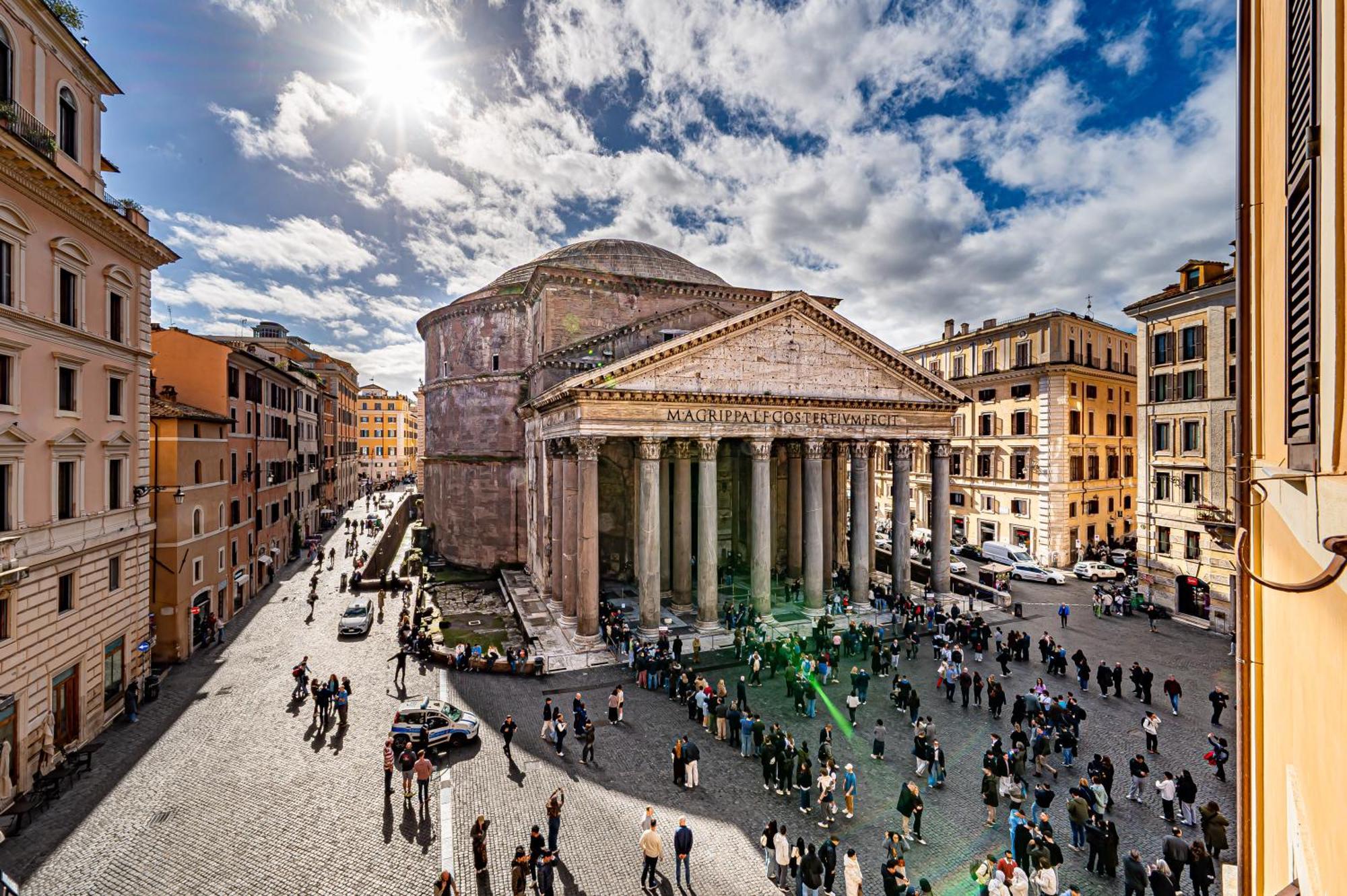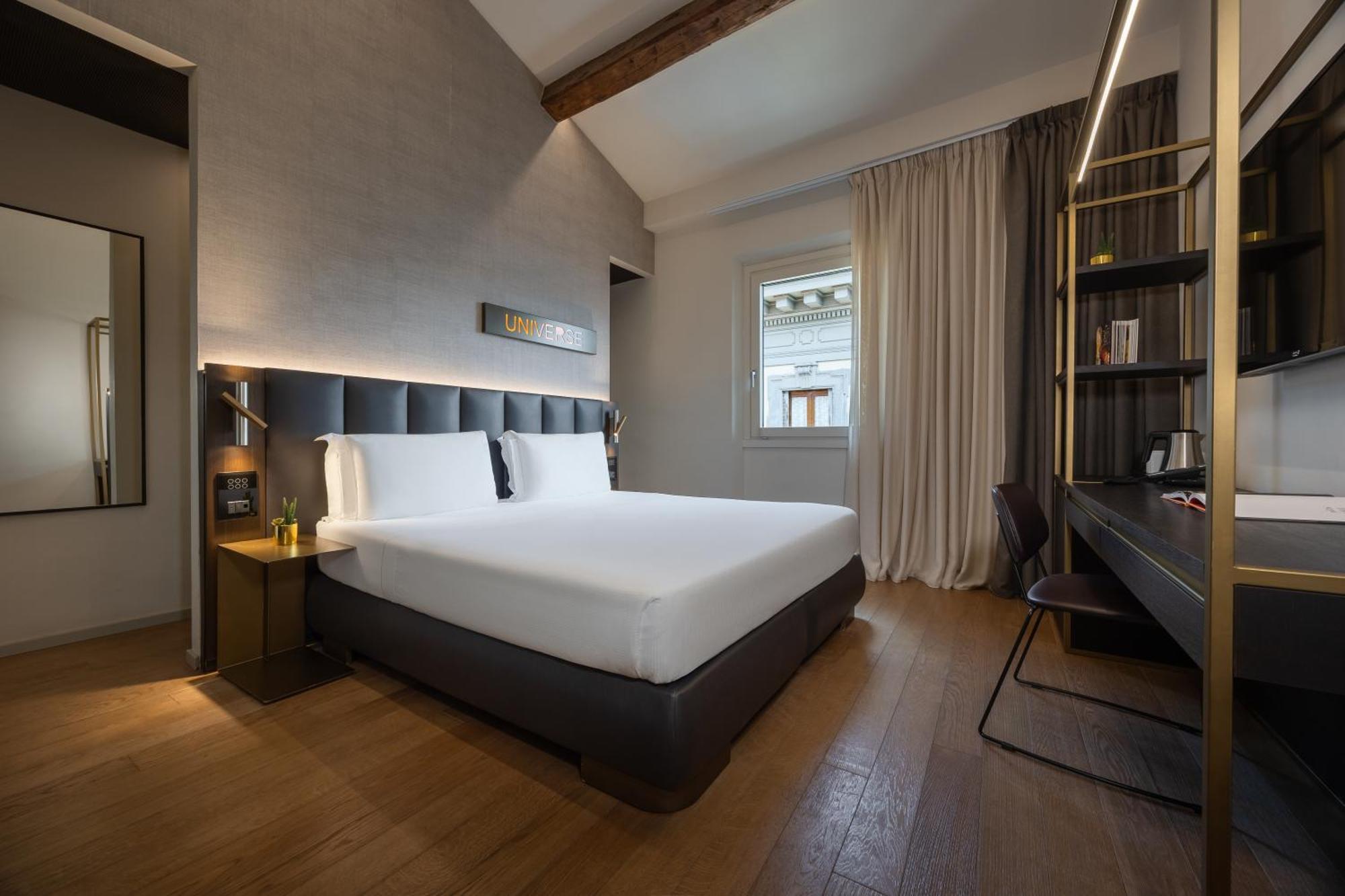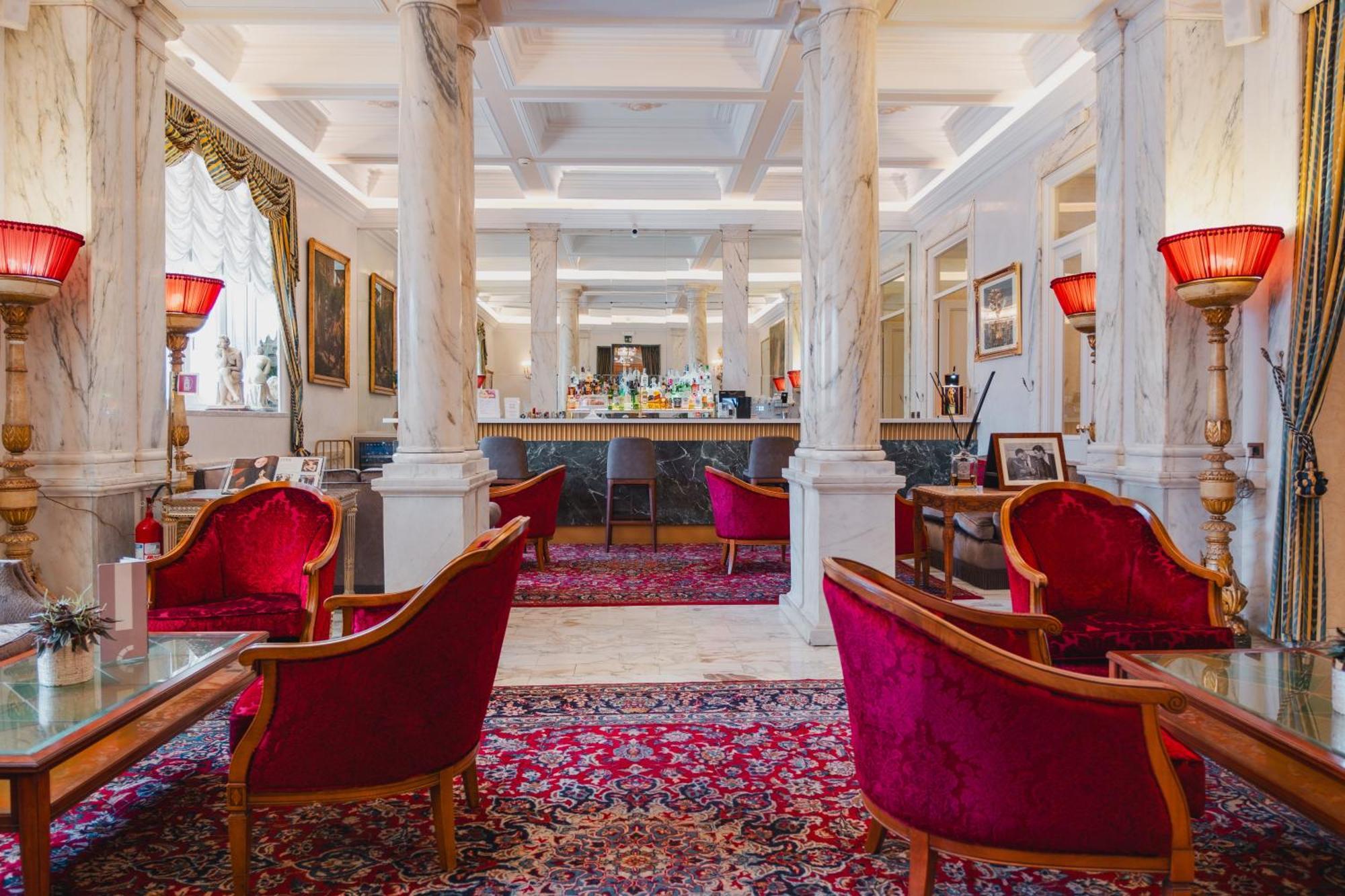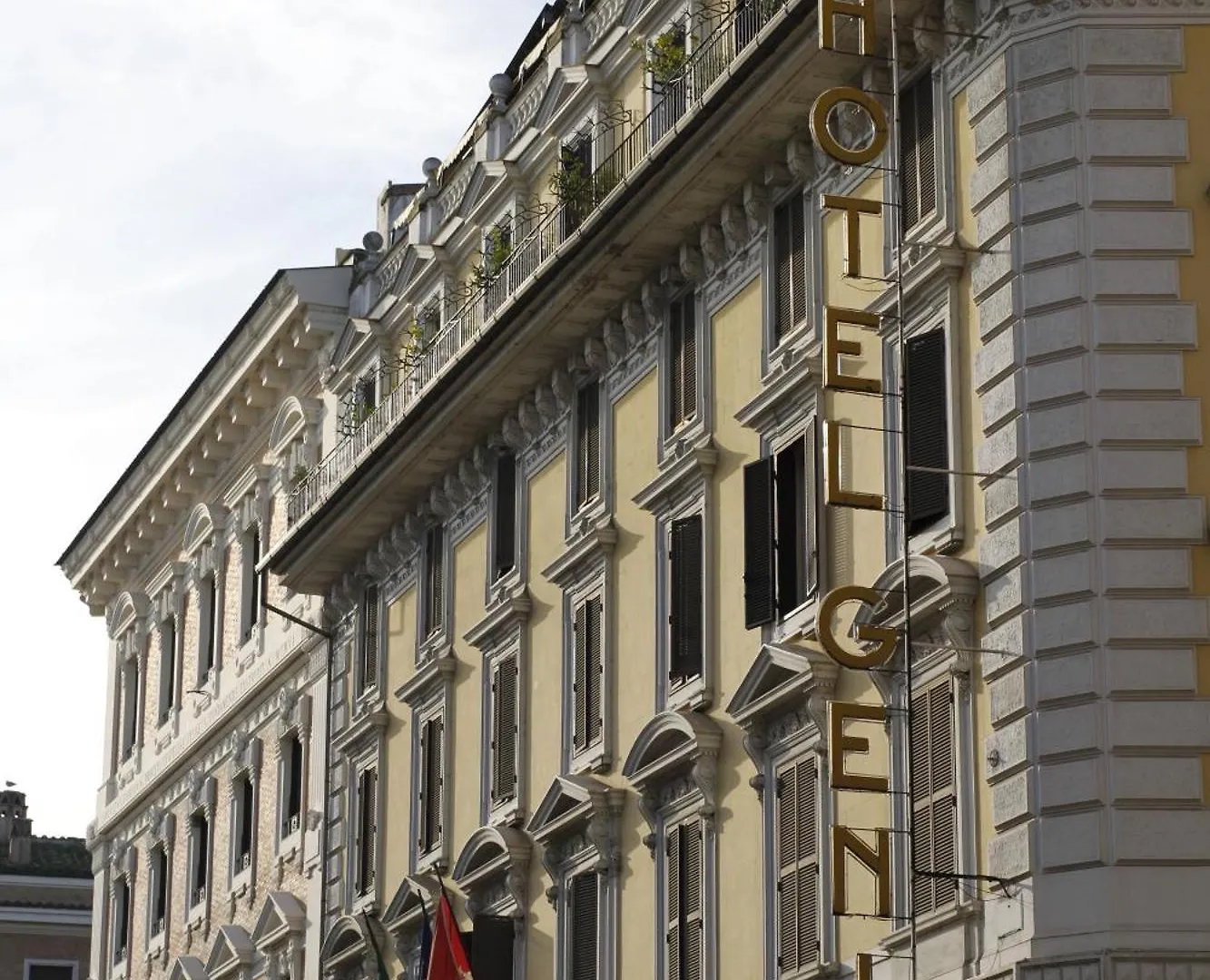
Via del Corso is Rome's most storied shopping spine - a straight 1.5-kilometre boulevard cutting from Piazza Venezia to Piazza del Popolo, flanked by 16th to 19th-century palazzi that now host boutiques, caffès, and a remarkable concentration of historical hotels. Staying here or within a few blocks means waking up inside buildings with frescoed ceilings, carved stone facades, and addresses that predate modern tourism by centuries. This guide breaks down 15 historical hotels in and around Via del Corso so you can match the right property to your itinerary, budget, and appetite for Roman atmosphere.
What It's Like Staying in Via del Corso
Via del Corso sits at the geographic and commercial centre of Rome's historic district, meaning that nearly every major monument - the Pantheon, Trevi Fountain, Spanish Steps, Piazza Navona - is reachable on foot in under 15 minutes. Foot traffic on the Corso itself is intense from 10:00 until 22:00, particularly on weekends, and the street noise travels into side-street hotels unless rooms are soundproofed. The upside is unmatched: you can reach Barberini Metro Station (Line A) in around 10 minutes on foot, and buses on the Corso connect directly to Termini and Vatican in minutes, so a car is entirely unnecessary.
Hotels housed in actual historical buildings - former convents, 17th-century palazzi, Neo-Renaissance structures - are concentrated in the blocks just east and west of the Corso rather than directly on it, giving you the central position without the full brunt of street noise. Properties directly facing landmarks like the Pantheon or Trevi Fountain command a significant premium, often around 40% above comparable rooms without those views.
Pros:
- Walking access to Rome's top monuments without needing any transport
- Dense concentration of buildings from the 17th-19th century preserved as hotels
- Excellent bus connectivity to Vatican, Termini, and Campo de' Fiori from Largo Argentina
Cons:
- Street noise on and near Via del Corso peaks during evening passeggiata and weekends
- Historical buildings often have narrow staircases and no lift in smaller properties
- Premium pricing for landmark-view rooms inflates perceived value - interiors vary widely
Why Choose Historical Hotels in Via del Corso
Historical hotels in this corridor aren't just aesthetically different - they offer structural authenticity that modern builds physically cannot replicate. A stay in a converted 17th-century convent or a restored 1860 palazzo means original stonework, wood-beamed ceilings, and occasionally frescoed walls that are part of the fabric of the room, not decorative additions. Room sizes in historical Roman buildings tend to be irregular, ranging from compact singles carved from former servant quarters to generous suites occupying what were once reception halls - so reviewing the specific room category matters more here than at standardised modern hotels.
On Via del Corso and its immediate surrounds, historical hotels typically sit in the 3-star to 5-star range. The category gap is less about service level and more about how extensively the building has been restored: a 3-star in a genuine palazzo can feel more atmospheric than a design hotel in a rebuilt structure. Booking 8 weeks in advance during spring and autumn is essential for landmark-facing rooms, which sell out faster than any other category in central Rome.
Pros:
- Authentic architectural details - frescoes, marble, wood beams - that define the Roman experience
- Central location means you spend more time at monuments and less on transport
- Rooftop terraces on historical buildings often deliver unrestricted views of domes and spires
Cons:
- Irregular room layouts mean some units are small or oddly shaped - check floor plans
- Older buildings may lack modern insulation, making rooms warmer in July-August
- Prices for landmark-facing rooms or suites can spike around 40% above standard rates
Practical Booking & Area Strategy
The most strategically positioned historical hotels cluster in three micro-zones: around Piazza della Rotonda (Pantheon), around Piazza di Spagna (Spanish Steps), and in the Piazza Navona triangle west of the Corso. Via Margutta - just off the Corso near Piazza del Popolo - is a quieter residential street made famous by Roman Holiday and hosts some of the least-trafficked historical properties in central Rome. For travellers who want monument access without noise, streets like Via della Croce, Via Bocca di Leone, and Via dei Condotti within the Tridente offer hotel entrances set back from the main pedestrian flow.
Spagna Metro Station (Line A) is within a 5-minute walk of the northern Corso zone, connecting you to Termini in two stops and the Vatican corridor in four - making it the most useful transport hub for historical hotel guests in this area. For the Pantheon and Piazza Navona cluster, bus lines from Largo Argentina are more practical than the Metro. Book at least 6 weeks ahead for spring visits (March-May), when both prices and occupancy hit their annual peak across all historical properties near the Corso. The area is safe at night and remains lively until midnight, with the heaviest evening activity concentrated around Piazza di Spagna and Fontana di Trevi.
Beyond accommodation, staying here means you're within walking distance of some of Rome's most significant sites: the Pantheon (built around 125 AD), the Spanish Steps with the Trinità dei Monti church, the Trevi Fountain, Piazza Navona with Bernini's Fountain of the Four Rivers, and the shopping stretch of Via dei Condotti. The density of classical antiquity and Baroque architecture within this single walkable zone is unmatched anywhere in Europe.
Best Value Historical Stays
These properties deliver genuine historical character - original buildings, central addresses, and authentic Roman atmosphere - at rates that remain accessible relative to the landmark-facing premium tier.
-
1. Hotel Genio
Show on map


 Check-infrom 14:00 until 23:59Check-outfrom 01:00 until 11:00
Rooms filling fast – secure the best rate!
from€ 69
-
2. Hotel Piazza Di Spagna
Show on map


 Check-infrom 15:00 until 23:59Check-outfrom 07:00 until 11:00
Best price guarantee
from€ 130
-
3. Hotel Forte
Show on map


 Check-infrom 14:00 until 18:00Check-outfrom 04:00 until 11:00
Best price guarantee
from€ 80
-
4. Hotel Memphis
Show on map


 Check-infrom 14:00 until 23:59Check-outuntil 11:00
Hurry – almost gone at this price!
from€ 89
-
5. Hotel Degli Artisti
Show on map


 Check-infrom 14:00 until 23:59Check-outfrom 07:00 until 11:00
Best price guarantee
from€ 211
-
6. The Style Hotel
Show on map


 Check-infrom 14:00 until 23:59Check-outuntil 11:00
Best price guarantee
from€ 66
-
7. Arch Rome Suites
Show on map


 Check-infrom 14:00 until 23:59Check-outuntil 10:00
Just a few rooms left at the best rate!
from€ 93
Best Premium Historical Stays
These properties occupy landmark buildings with significant architectural or historical pedigree, offer elevated amenities or exceptional views, and represent the upper tier of historical hotel accommodation in the Via del Corso corridor.
-
8. Hotel Fontana
Show on map


 Check-infrom 15:00 until 23:59Check-outuntil 11:00
Just a few rooms left at the best rate!
from€ 68
-
2. Hotel Albergo Santa Chiara
Show on map


 Check-infrom 13:30 until 23:59Check-outuntil 11:00
Hurry – almost gone at this price!
from€ 85
-
3. Albergo Del Senato
Show on map


 Check-infrom 14:00 until 23:59Check-outuntil 11:00
Best price guarantee
from€ 109
-
4. Palazzo Navona Hotel
Show on map


 Check-infrom 14:00 until 23:59Check-outfrom 01:00 until 11:00
Rooms filling fast – secure the best rate!
from€ 259
-
5. Eitch Borromini Palazzo Pamphilj
Show on map


 Check-infrom 14:30 until 23:59Check-outuntil 11:00
Hurry – almost gone at this price!
from€ 290
-
6. Hotel Valadier
Show on map


 Check-infrom 14:00 until 23:59Check-outuntil 12:00
Just a few rooms left at the best rate!
from€ 123
-
7. Grand Hotel Plaza
Show on map


 Check-infrom 15:00 until 23:59Check-outuntil 12:00
Best price guarantee
from€ 766
-
15. Trevi Collection Hotel - Gruppo Trevi Hotels
Show on map


 Check-infrom 15:00 until 23:59Check-outfrom 10:00 until 11:00
Best price guarantee
from€ 135
Smart Travel & Timing Advice for Via del Corso
Via del Corso and its surrounding historic district hit peak occupancy in April, May, and October - Rome's shoulder seasons that combine manageable temperatures with high tourism demand. During these months, historical hotels with landmark views or rooftop terraces book out fastest; securing rooms at least 6 weeks in advance is the realistic minimum, and 8 weeks for fountain- or Pantheon-facing units. July and August bring intense heat to Rome's stone centro storico, and historical buildings without modern insulation absorb it - always confirm air conditioning is present and functional in whichever room category you book.
December through February is the lowest-demand window, with prices dropping around 30% from spring peaks and queues at the Pantheon, Trevi Fountain, and Spanish Steps significantly shorter. Three nights is the practical minimum for this district - enough to cover the main monuments on foot without rushing - but four to five nights allows for day trips to Tivoli, Ostia Antica, or the Vatican without feeling pressured. Last-minute booking in summer rarely produces good results here: the city-wide demand from European and American tourists means that discounted rooms in historical buildings are absorbed weeks before check-in. If you're visiting during Holy Week or the Christmas-New Year period, add another two weeks to your booking lead time.