Jabaquara sits at the southern end of São Paulo's Metro Line 1-Blue, making it one of the most transit-connected southern districts in the city. Budget travelers who prioritize metro access over proximity to Paulista Avenue will find genuinely affordable hotel rates here - often around 40% below what comparable rooms cost in Consolação or Vila Mariana. This guide breaks down the four most relevant cheap hotels in Jabaquara so you can book with full clarity on what you're actually getting.
What It's Like Staying in Jabaquara
Jabaquara is a working-class residential district in São Paulo's South Zone, anchored by the Jabaquara Metro Terminal - the southern terminus of Line 1-Blue and a major interchange for buses connecting to Santos and the coast. The metro terminal is the district's defining feature: it keeps the area perpetually active during rush hours but quiet by late evening. Street-level commerce concentrates around Avenida Jabaquara and the terminal itself, while side streets transition quickly into calm residential blocks.
Staying here means accepting a functional, non-touristy São Paulo experience. There are no major museums or postcard landmarks within walking distance, but Centro Histórico is around 20 minutes by metro with no transfers - a real logistical advantage for budget travelers who want to explore broadly without paying Bela Vista prices.
Pros:
Direct metro access to Centro, Liberdade, and Paulista with a single line
Hotel rates are consistently lower than Zona Sul tourist corridors
Quieter street-level environment in the evenings compared to central districts
Cons:
No walkable tourist attractions within the district itself
Bus terminal area generates heavy foot traffic and noise during peak hours
Limited upscale dining or nightlife options within the neighborhood
Why Choose Budget Hotels in Jabaquara
Budget hotels in Jabaquara serve a very specific traveler profile: those using São Paulo as a transit hub rather than a leisure destination, or those prioritizing metro connectivity over neighborhood ambiance. Unlike budget options in Brás or Cambuci, which trade on proximity to shopping districts, Jabaquara's cheap hotels compete primarily on price and transport access. Rooms in this category average around 30% smaller than mid-range options in the same district, and amenities like breakfast and air conditioning vary significantly between properties - making it worth comparing specifics rather than booking on rate alone.
The key trade-off is atmosphere: Jabaquara lacks the walkable café culture of Pinheiros or the historic density of Centro, so guests spending most of their time in the hotel will feel the neighborhood's utilitarian character more acutely. For travelers catching early coaches to Santos or the coast, the proximity to the bus terminal is a concrete operational advantage no other district can match.
Main advantages of budget hotels in Jabaquara:
Lowest hotel rates in a metro-connected São Paulo district
Immediate access to intercity bus services from Jabaquara Terminal
Straightforward check-in culture suited to short, transit-oriented stays
Main trade-offs in this specific zone:
Breakfast inclusion is inconsistent - verify per property before booking
Street noise from the terminal affects rooms on lower floors facing Avenida Jabaquara
Fewer hotel staff speak English compared to properties in tourist-heavy districts
Practical Booking & Area Strategy
The most strategically positioned budget hotels in Jabaquara sit within a 5-minute walk of the Jabaquara Metro Station on Avenida Jabaquara or its immediate cross streets. Rooms on Rua das Rosas or quieter parallel streets away from the terminal offer noticeably better sleep quality without adding meaningful commute time. Book at least 3 weeks ahead during Carnival and the July school holiday period, when even Jabaquara's budget stock gets absorbed by domestic travelers transiting south. The district itself has limited tourist draws, but Parque Estadual da Cantareira day trips and Ibirapuera Park are both reachable via metro under 40 minutes - making Jabaquara a functional base for longer São Paulo itineraries. Night-time safety near the terminal requires standard urban awareness: stick to lit streets and avoid the bus station perimeter after 10 PM on foot.
Best Value Stays
These properties offer the strongest combination of included amenities and metro proximity for the price point, making them the most practical picks for budget travelers in Jabaquara.
-
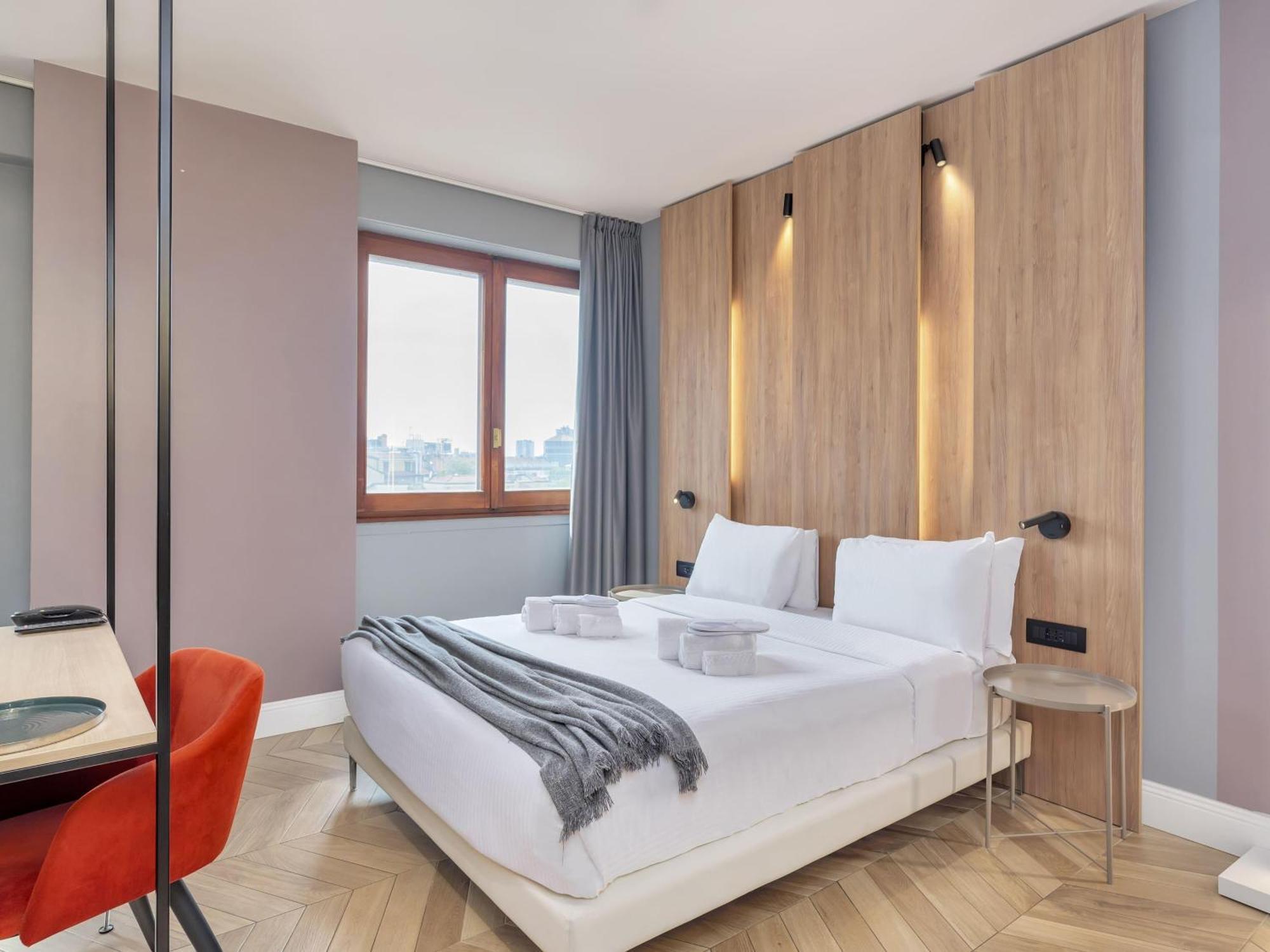
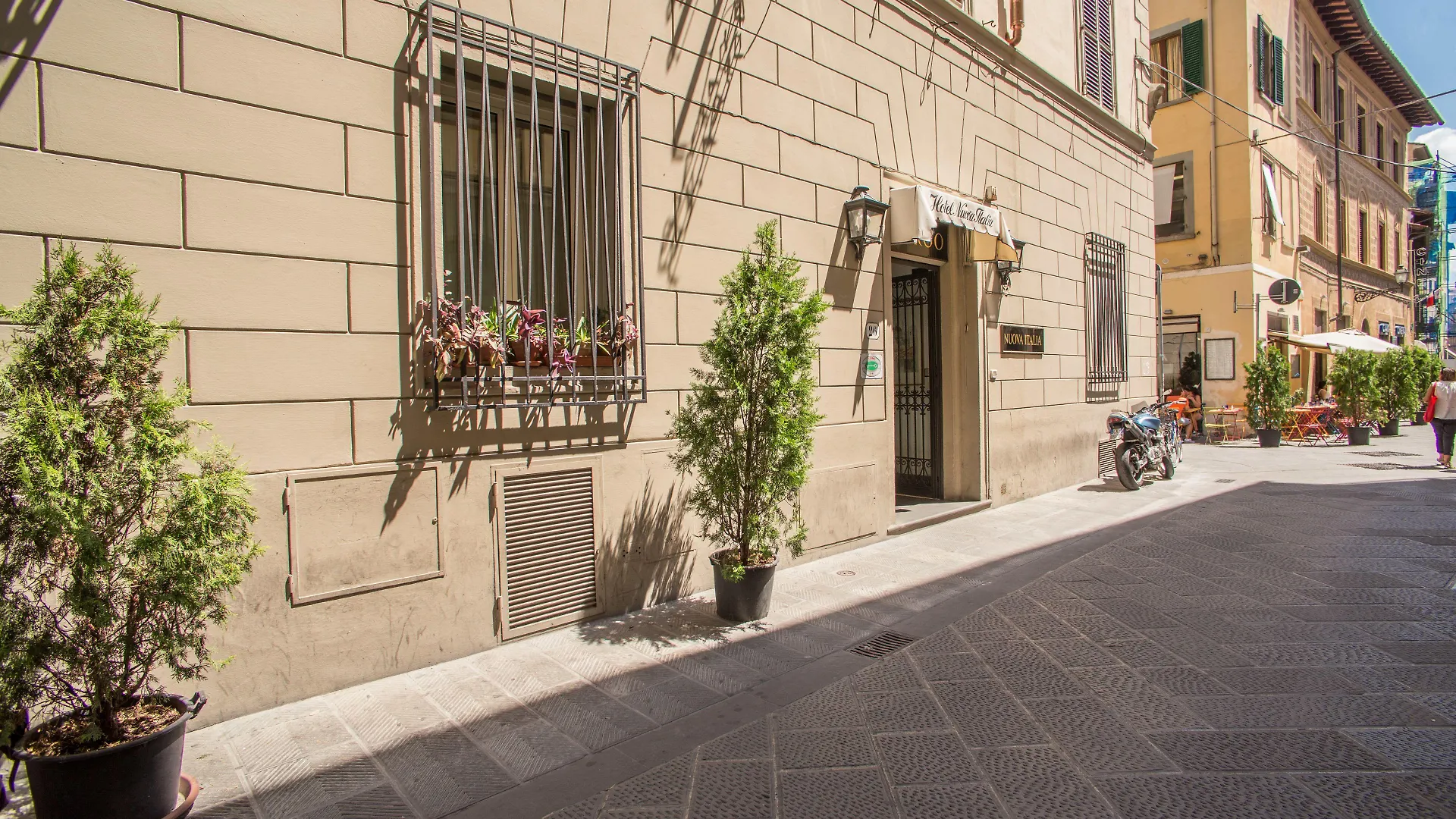
1. Hotel Nuova Italia
Show on map


 Check-infrom 14:00 until 23:59Check-outuntil 10:00
Just a few rooms left at the best rate!
from€ 38
-
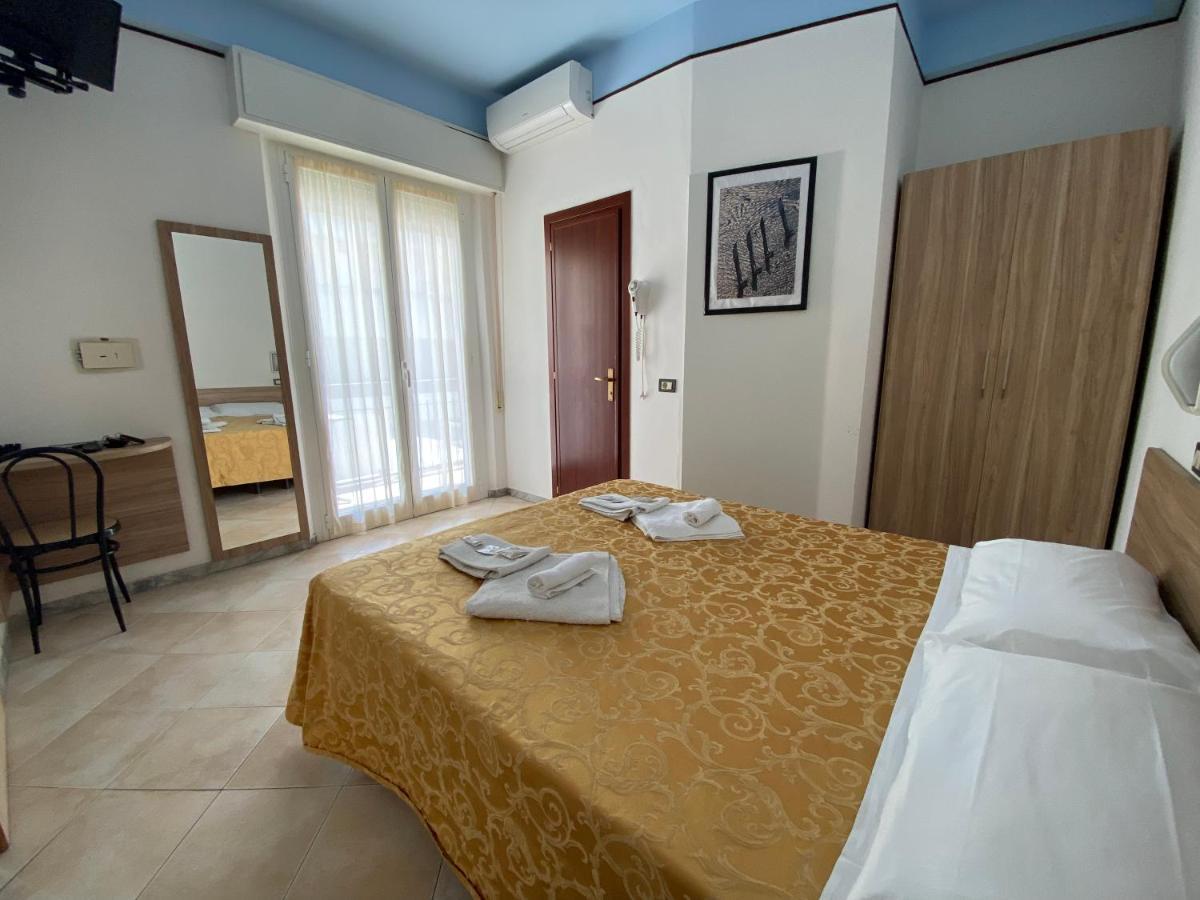
2. Hotel Regina
Show on map


 Check-infrom 14:00 until 21:00Check-outfrom 07:00 until 10:00
Just a few rooms left at the best rate!
from€ 64
Best Budget Options with Added Facilities
These two properties add specific practical features - parking, laundry, and room service - that move them slightly above the bare-minimum budget tier without significantly increasing the rate.
-
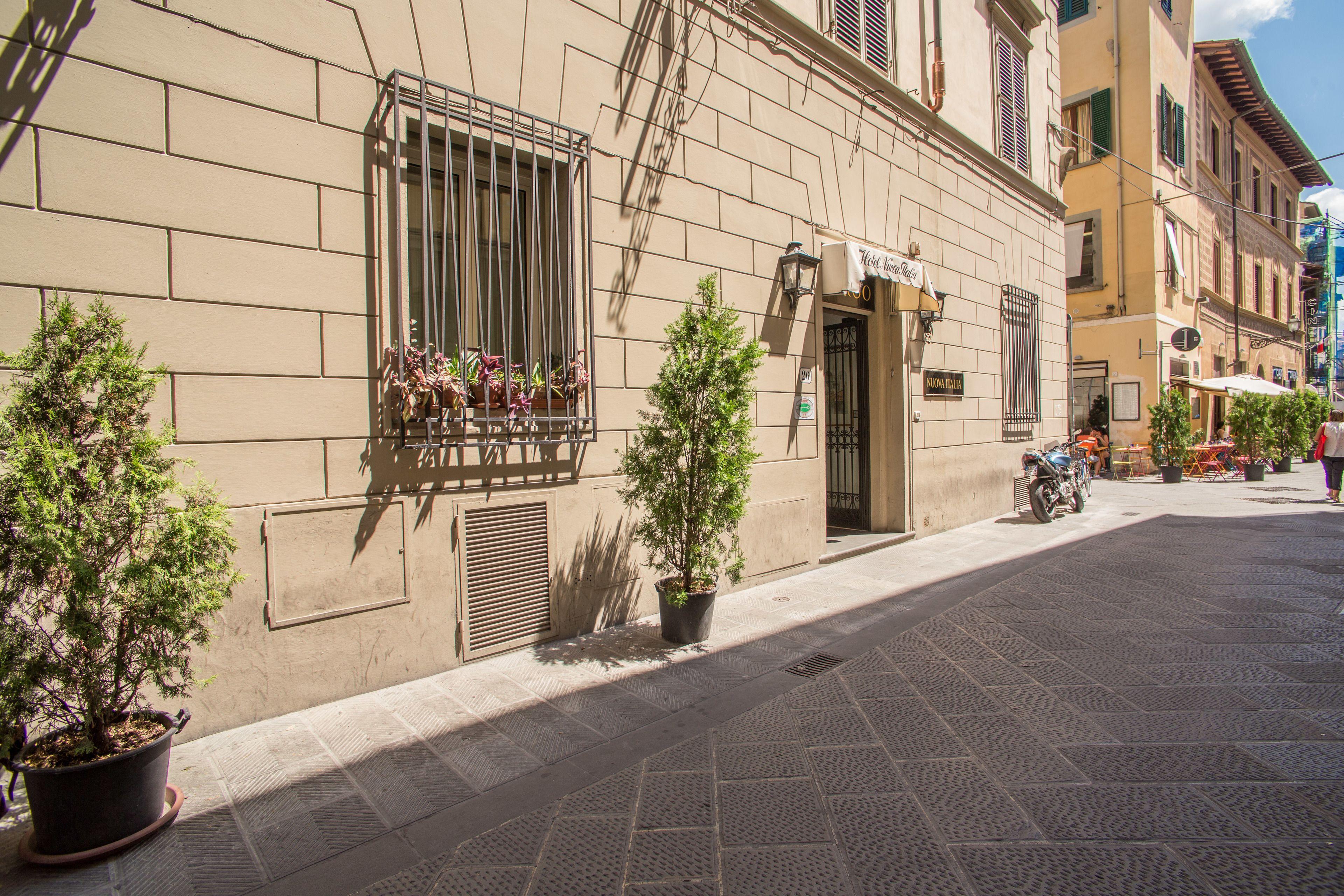
3. Hotel Romagna
Show on map


 Check-infrom 14:00 until 22:30Check-outuntil 11:00
Hurry – almost gone at this price!
from€ 57
-
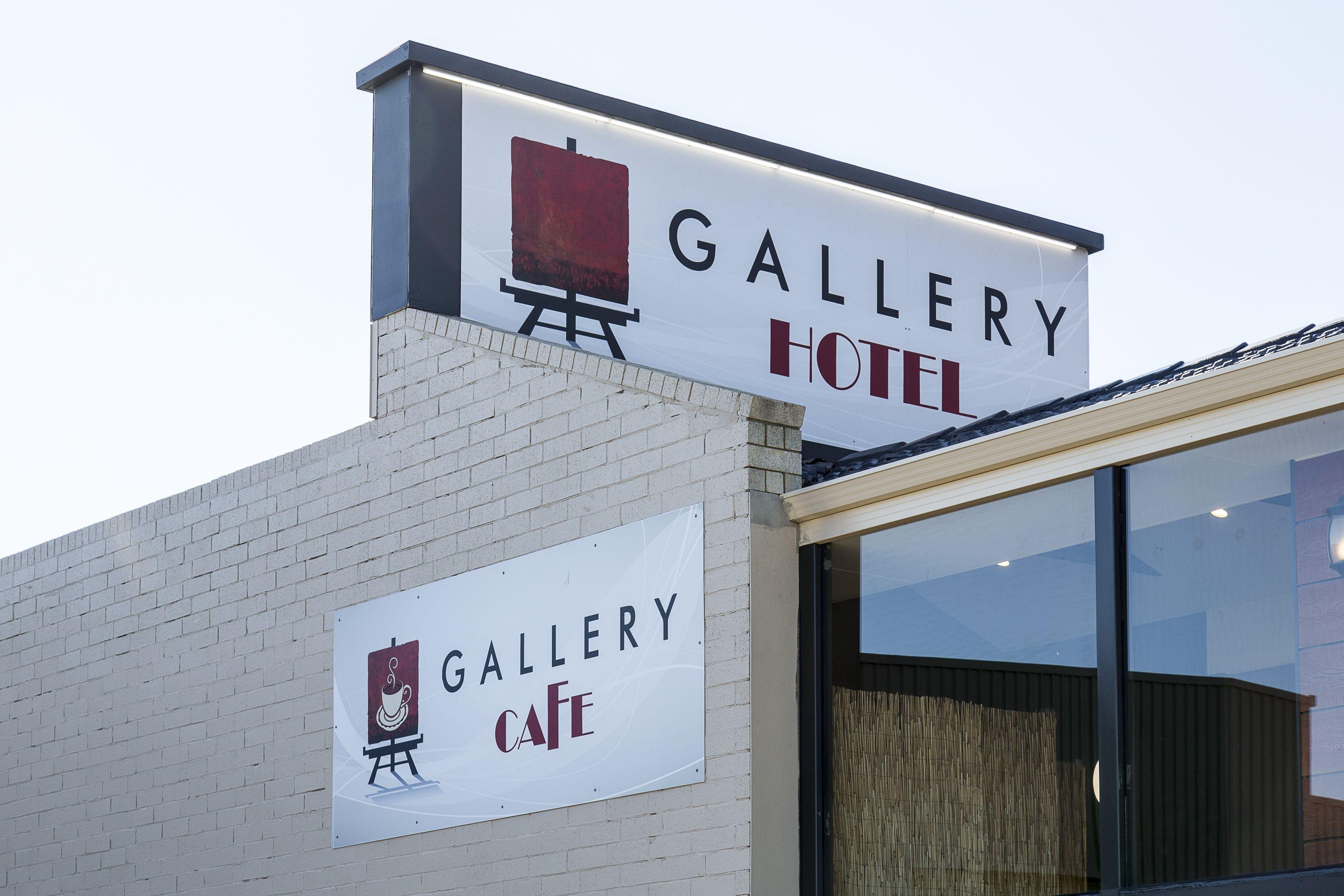
4. Hotel Nazionale
Show on map


 Check-infrom 15:00 until 19:00Check-outfrom 08:00 until 10:00
Rooms filling fast – secure the best rate!
from€ 64
Smart Travel & Timing Advice for Jabaquara
São Paulo's peak domestic travel periods - Carnival (February/March), the July school break, and the December-January summer holiday - drive occupancy up across the city, including Jabaquara's budget stock. During these windows, rates at the hotels in this guide can rise by around 35%, and availability tightens fastest for properties with parking or breakfast included. Booking 4 weeks ahead during peak season is the reliable threshold for securing the best rates. Outside these periods, Jabaquara operates as a low-demand district with consistent pricing and genuine last-minute availability - making it one of the few São Paulo neighborhoods where spontaneous booking still works in shoulder months like May, June, August, and September. A 2-night minimum stay is the practical sweet spot for travelers using São Paulo as a regional hub: enough time to cover Centro and Paulista via metro without the inefficiency of a single-night logistics scramble. Extended stays beyond 5 nights rarely make sense in Jabaquara unless you have a specific operational reason to be in the South Zone daily.