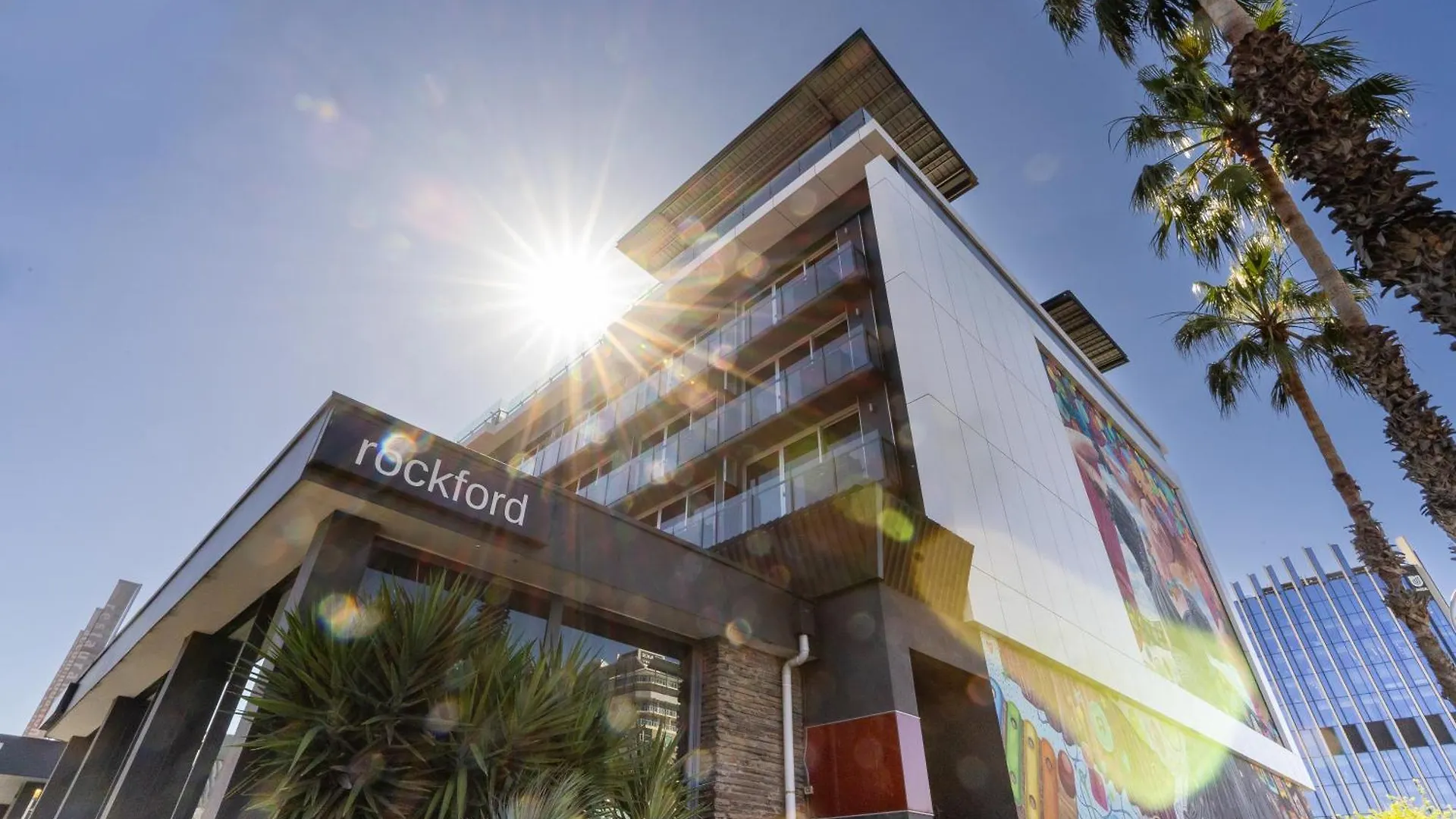
Adelaide CBD concentrates its best design-forward accommodation along and near North Terrace, Rundle Mall, and Hindmarsh Square - three corridors that put heritage architecture and contemporary interiors within a compact, walkable grid. These six hotels reflect the city's shift toward considered, character-driven stays rather than generic chain properties.
What It's Like Staying in Adelaide CBD
Adelaide's city centre is structured around a strict grid laid out by Colonel Light, which means orientation is immediate and walking between major landmarks rarely takes more than 15 minutes on foot. The CBD is enclosed by parklands on all sides, creating a clear boundary that makes the area feel contained rather than sprawling. Staying here puts you within direct reach of the Adelaide Convention Centre, Rundle Mall, the Art Gallery of South Australia, and the Central Market - but the area quiets down noticeably after 10pm outside of the West End precinct around Hindley Street.
The free tram running along King William Street and North Terrace connects you to Glenelg Beach in around 30 minutes without any cost, which meaningfully extends the usability of a CBD base. Crowds concentrate on Rundle Mall and North Terrace during business hours and weekend afternoons, while side streets remain calm.
Pros:
- Walking access to major cultural institutions, shopping, and dining without needing transport
- Free tram network reduces transit costs for day trips to Glenelg and inner suburbs
- High concentration of heritage-listed buildings gives the CBD a distinct architectural character
Cons:
- Nightlife energy drops sharply outside the West End, making late evenings feel quiet in parts of the CBD
- Parking in the CBD is expensive and limited, which matters if you plan to drive to wine regions
- Some streets near Hindley Street have elevated foot traffic and noise after midnight on weekends
Why Choose Design Hotels in Adelaide CBD
Design hotels in Adelaide CBD are disproportionately concentrated in heritage-listed buildings - converted 1920s offices, Edwardian-era facades, and Federation-style structures that give rooms a physical depth that purpose-built towers cannot replicate. Marble bathrooms, high ceilings, and heritage detailing are standard features in the upper tier of this category, not add-ons. Compared to generic chain hotels at similar price points, these properties typically offer more distinct room layouts, curated local produce in bars and restaurants, and a closer connection to Adelaide's architectural identity.
Room sizes in boutique and design-forward CBD hotels tend to run larger than equivalent Sydney or Melbourne properties at the same rate, partly because land values allow it. The trade-off is that some buildings have limited lift capacity or older infrastructure, and rooms facing Rundle Mall or North Terrace can experience street noise. Views are rarely a selling point in Adelaide CBD design hotels given the low-rise grid - most properties are honest about this, and the focus shifts to interior quality instead.
Pros:
- Heritage buildings deliver architectural character that new-build hotels structurally cannot match
- Locally sourced food and South Australian wine programs are common across this category in the CBD
- Room sizes are competitive against comparable design properties in larger Australian capital cities
Cons:
- Heritage buildings occasionally mean slower lifts, thicker walls with variable acoustic insulation, and fewer accessible room options
- City views are limited across almost all CBD design hotels due to Adelaide's low-rise building height restrictions
- Premium design properties command rates above the CBD average, with less last-minute availability during festival season
Practical Booking & Area Strategy
For design hotels in Adelaide CBD, positioning on or within one block of North Terrace or Rundle Mall gives the best balance of access and atmosphere - these two streets function as the cultural and commercial spine of the city. Hindmarsh Square, on the eastern edge of the CBD, offers a quieter micro-location with parkland outlook and around 10 minutes' walk to Rundle Mall, making it a practical alternative for guests who want reduced street noise without losing central access. Hotels on Waymouth Street sit slightly south of the main tourist corridor but remain within 5 minutes' walk of the Central Market and Gouger Street dining.
Adelaide's festival calendar - including Adelaide Fringe in February and March, and WOMADelaide in March - drives occupancy in CBD design hotels to near capacity, with rates rising sharply. Book at least 8 weeks ahead for any March travel. Outside festival periods, particularly April through August, the CBD is noticeably quieter and last-minute rates become viable. The free tram on King William Street is the most useful transport link for guests without a car, connecting the CBD to the Entertainment Centre, Adelaide Oval, and the beach suburb of Glenelg with no additional cost.
Best Value Design Stays
These properties deliver strong design credentials and central positioning at rates that sit below the top tier of Adelaide CBD accommodation, without sacrificing the architectural character or room quality that defines this category.
-
1. Adelaide Rockford
Show on map


 Check-infrom 14:00 until 22:00Check-outfrom 07:00 until 10:00
Just a few rooms left at the best rate!
fromAU$ 134
-
2. Mantra Hindmarsh Square
Show on map


 Check-infrom 14:00 until 23:59Check-outuntil 10:00
Just a few rooms left at the best rate!
fromAU$ 167
-
3. The Richmond Hotel - Adelaide
Show on map


 Check-infrom 14:00 until 17:00Check-outfrom 05:00 until 10:00
Hurry – almost gone at this price!
fromAU$ 106
Best Premium Design Stays
These three properties sit at the upper end of Adelaide CBD's design hotel market, each offering distinct architectural identity, elevated room specifications, and facilities that go beyond standard city centre accommodation.
-
4. The Playford Adelaide - Mgallery
Show on map


 Check-infrom 15:00 until 23:59Check-outfrom 04:00 until 11:00
Hurry – almost gone at this price!
fromAU$ 219
-
5. Mayfair Hotel Adelaide By Ihg
Show on map


 Check-infrom 14:00 until 23:59Check-outuntil 11:00
Rooms filling fast – secure the best rate!
fromAU$ 202
-
6. Peppers Waymouth Hotel
Show on map


 Check-infrom 14:00 until 23:59Check-outuntil 10:00
Rooms filling fast – secure the best rate!
fromAU$ 156
Smart Travel & Timing Advice for Adelaide CBD
Adelaide's festival calendar is the single biggest driver of CBD hotel pricing and availability. The Adelaide Fringe - the world's second-largest arts festival - runs through February and March and fills design hotels in the CBD to capacity, with rates rising by around 40% above standard pricing during peak Fringe weekends. WOMADelaide in early March compounds demand further, making the combination of late February through the first week of March the hardest and most expensive window to book across all CBD accommodation categories. Travelers with flexibility should target April through June, when the weather remains mild, crowds thin considerably, and last-minute availability returns to most properties.
For design hotels specifically, a minimum stay of two nights is the practical threshold for experiencing what the CBD offers - one night leaves insufficient time to use on-site facilities, explore North Terrace institutions, and reach the Central Market on its busiest trading days of Thursday through Saturday. Book directly with the hotel or via the hotel's own website during festival periods to access room category availability that third-party platforms often show as sold out. Outside festival season, last-minute rates become viable from around one week before arrival across most properties in this category.