South Australia covers an enormous area - from the Barossa Valley wine country to the Limestone Coast and the Spencer Gulf towns - making your choice of base genuinely consequential when traveling with children. These four family-friendly hotels are spread across the state's most accessible regions, each offering practical facilities that matter when managing young travelers: parking, space, and food options on-site.
What It's Like Staying in South Australia with Kids
South Australia is one of Australia's most road-trip-oriented states, with most family attractions spread across regional towns rather than concentrated in a single urban hub. Adelaide serves as the main entry point, but iconic destinations like the Barossa Valley, Naracoorte Caves, and the Flinders Ranges require driving - often around 1 to 3 hours from the city. Families traveling by car will find this setup natural, while those relying on public transport may find connections between regional spots frustratingly limited.
Pros:
- Wide range of nature-based, low-cost attractions suitable for children of all ages (Naracoorte Caves, wildlife parks, coastal beaches)
- Most family accommodations outside Adelaide include free private parking - essential for road-tripping families
- Regional towns are generally quiet and low-traffic, making walks and outdoor activities genuinely stress-free
Cons:
- Limited public transport between regional towns forces car dependency for most family itineraries
- School holiday periods (December-January and Easter) push accommodation availability down sharply in popular wine and cave regions
- Some smaller towns have restricted dining hours, making it difficult to feed young children outside standard meal windows
Why Choose Family Hotels in South Australia
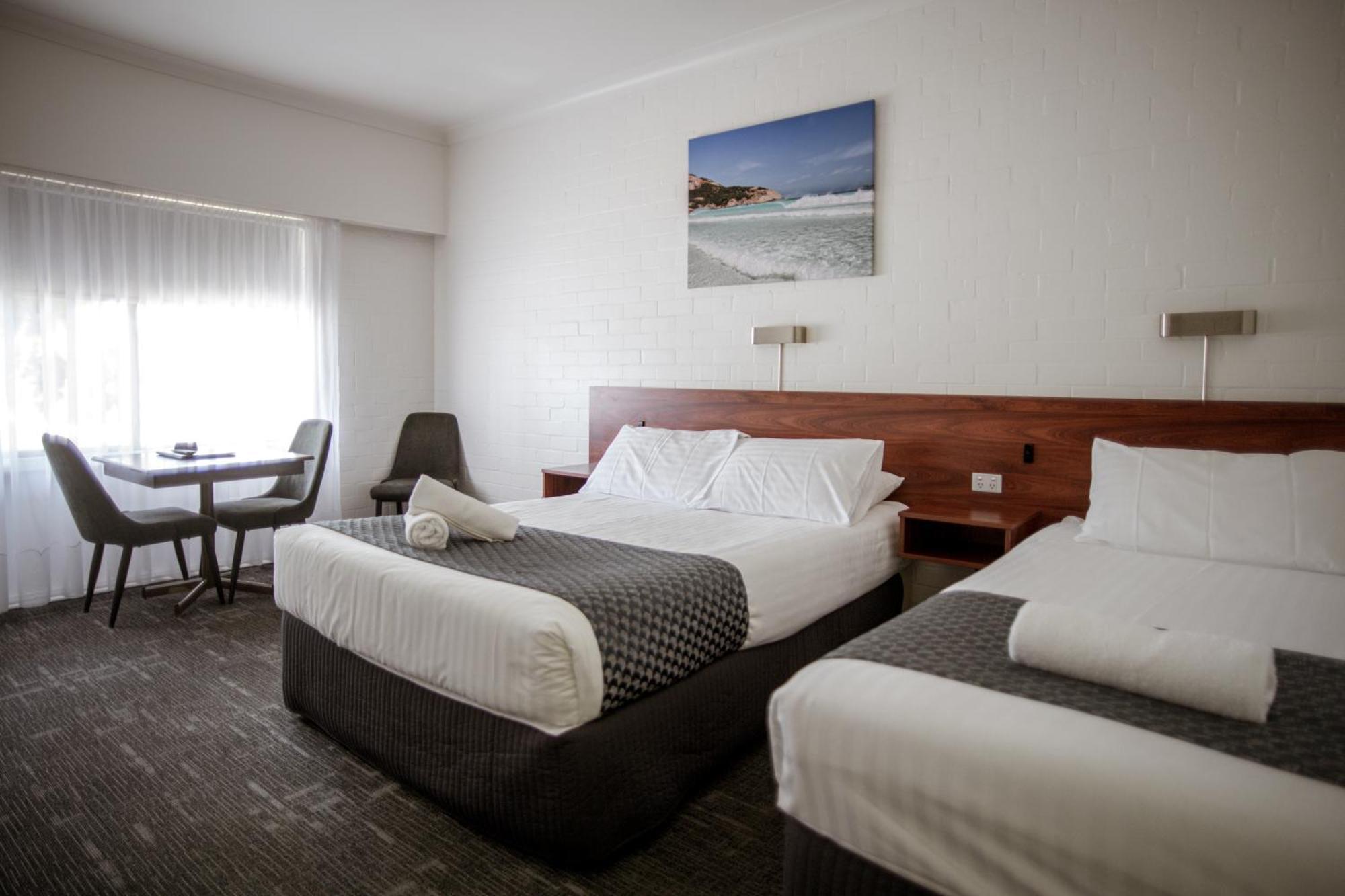
Family-designated rooms and motor lodges in South Australia consistently offer more floor space and self-catering features than standard hotel rooms - a practical difference when traveling with toddlers or multiple children. Many regional family rooms include kitchenettes, microwaves, or tea-and-coffee facilities, reducing the cost and stress of eating out every meal. Compared to boutique or luxury options in the same areas, family hotels here typically run around 30% lower in nightly rate while delivering the functional extras - parking, laundry, on-site dining - that matter most on longer stays.
Advantages of family hotels in this region:
- On-site restaurants and bars at several properties eliminate the need to drive into town after a long day of sightseeing
- Free parking is standard across family-category hotels in South Australia's regional areas - no added daily cost
- Room configurations (including spa baths, extra beds, and DVD players) help make evenings manageable with children
Trade-offs to consider:
- Family rooms in regional motels are larger but rarely luxurious - expect functional décor rather than design-forward interiors
- On-site restaurants in regional hotels often keep limited hours (dinner service may close by 20:30), requiring early planning
- Properties set in gardens or orchard surrounds offer outdoor space, but may lack fenced play areas specifically designed for young children
Practical Booking & Area Strategy for Families
For families flying into Adelaide and planning a loop through South Australia, the most logical sequence runs: Adelaide Hills (Tollgate Motel as a first-night stopover) -> Barossa Valley (1-2 nights) -> Limestone Coast (Naracoorte area) -> return via the coast. Booking the Barossa and Limestone Coast properties at least 6 weeks ahead during school holidays is strongly advised, as family rooms sell out well before boutique or standard rooms. Port Pirie, located around 2.5 hours north of Adelaide on the Spencer Gulf, works best as a dedicated base rather than a day-trip - its central motel options give families an affordable and uncrowded launching point for exploring the Flinders Ranges and Spencer Gulf Coast. The Naracoorte Caves National Park, listed as a UNESCO World Heritage Site, is the standout attraction on the Limestone Coast and well worth a full day; the William Macintosh Motor Lodge places families within 15 minutes' drive of the caves entrance, making morning visits easy before crowds peak.
Best Value Family Stays
These properties deliver the practical essentials for families - on-site parking, functional room sizes, and easy access to regional attractions - at competitive nightly rates across South Australia's most visited regions.
-
1. City Centre Motel Hotel
Show on map


 Check-infrom 14:00 until 23:59Check-outuntil 10:00
Just a few rooms left at the best rate!
fromAU$ 116
-
2. Tollgate Motel
Show on map


 Check-infrom 14:00 until 21:00Check-outfrom 08:00 until 10:00
Just a few rooms left at the best rate!
fromAU$ 80
Best Premium Family Options
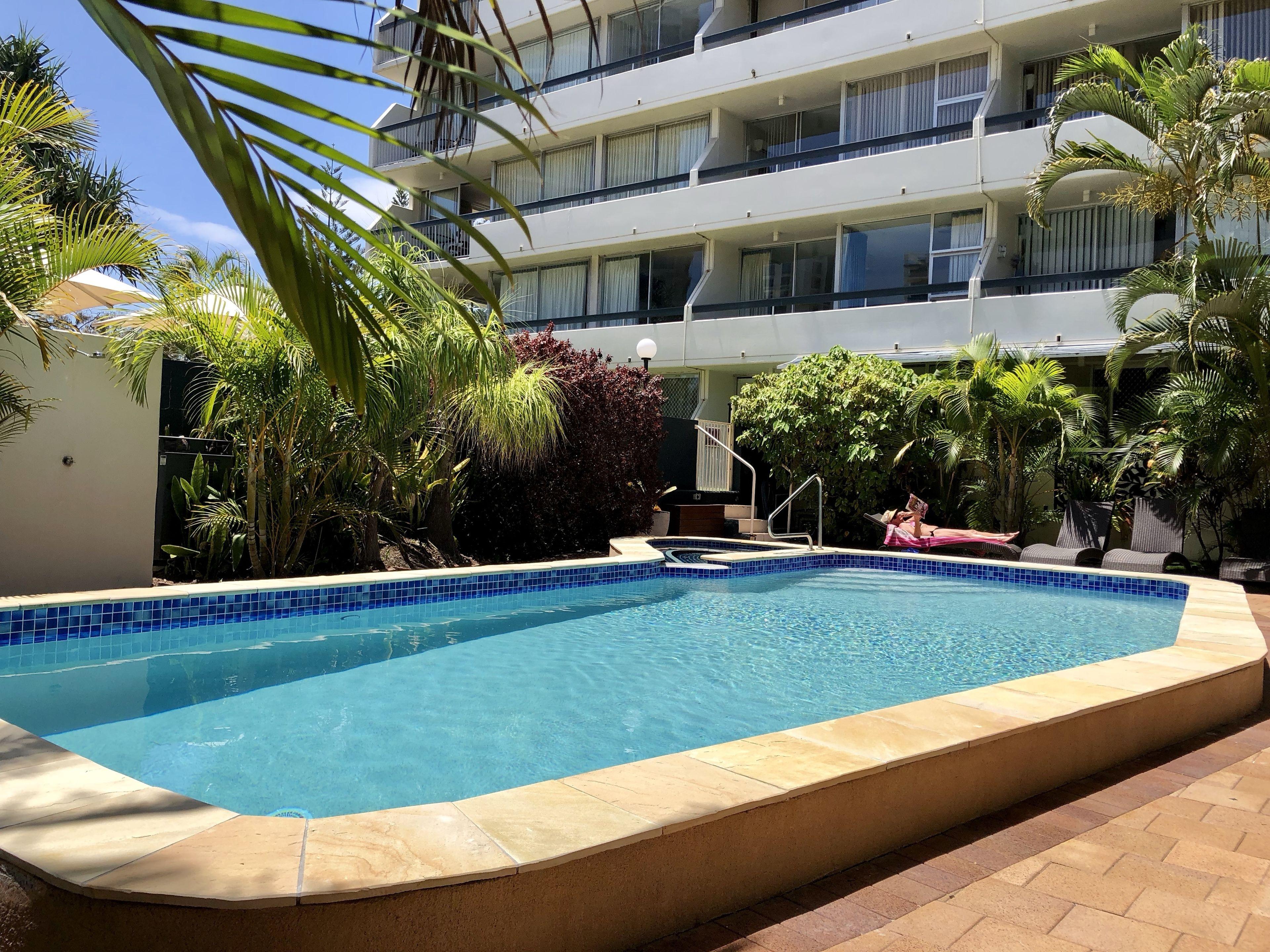
These two properties add on-site dining, garden grounds, and location advantages near South Australia's headline wine and cave attractions - making them worth the step up for families planning longer stays or wanting fewer logistical decisions each day.
-
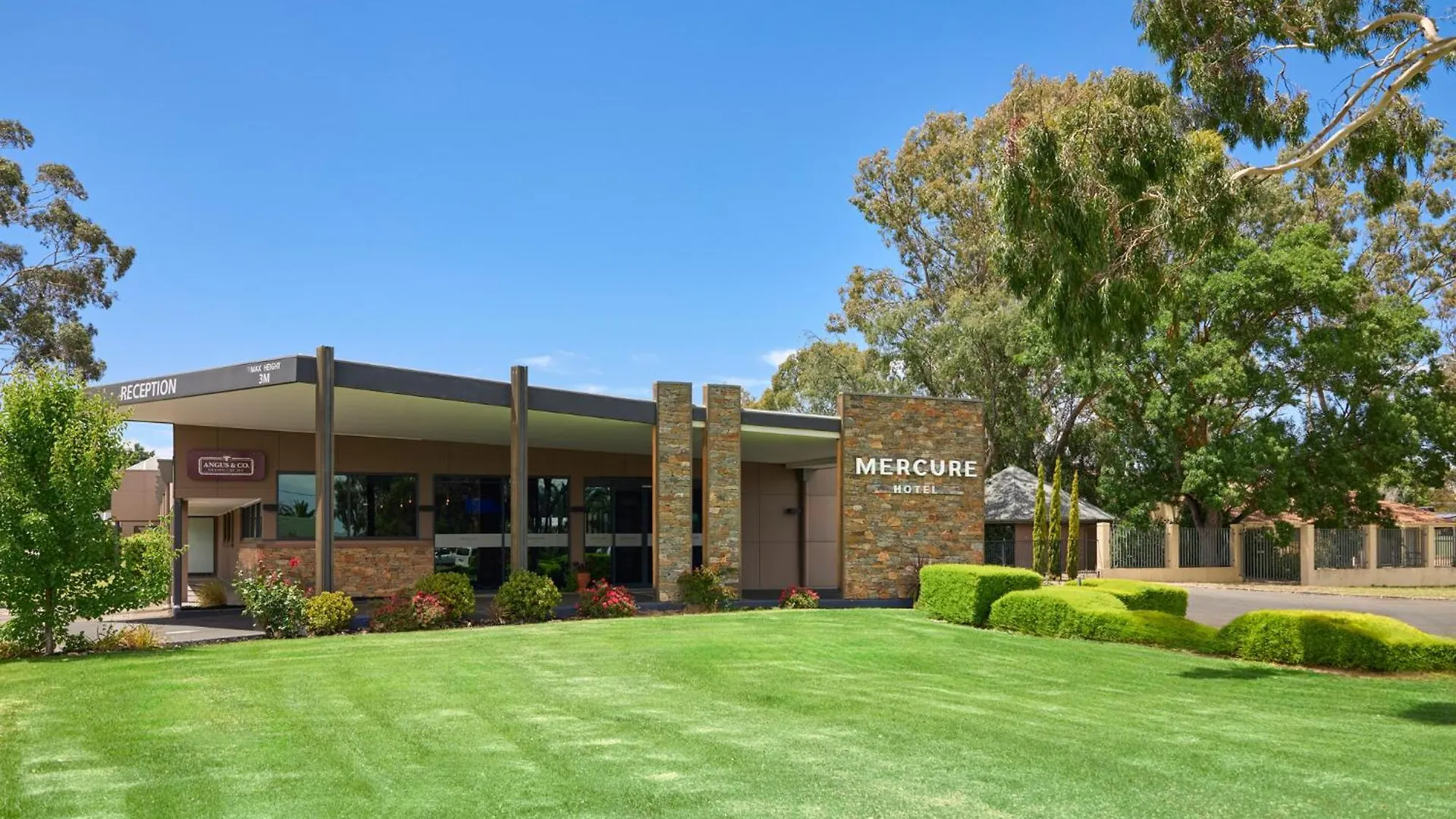
3. Mercure Barossa Valley
Show on map


 Check-infrom 14:00 until 23:59Check-outuntil 10:00
Hurry – almost gone at this price!
fromAU$ 234
-
4. William Macintosh Motor Lodge
Show on map


 Check-infrom 14:00 until 21:00Check-outfrom 07:00 until 10:00
Rooms filling fast – secure the best rate!
fromAU$ 132
Smart Timing & Booking Advice for Family Travel in South Australia
South Australia's peak family travel season runs from late December through late January, when Australian school summer holidays overlap with the warmest weather across the Barossa, Limestone Coast, and Adelaide Hills. Family rooms at regional properties book out around 8 weeks in advance during this window, particularly at wine-region hotels where adult visitors also compete for the same dates. The Barossa Vintage Festival - held in odd-numbered years in late April - draws significant crowds to the valley and inflates accommodation rates noticeably, though it also offers family-friendly harvest activities worth planning around. For quieter visits with shorter booking lead times, May through August brings cooler temperatures and lower occupancy across most South Australian regional towns; the caves and wildlife attractions remain fully operational year-round, and school-holiday crowds are absent. Families planning a 5-night loop from Adelaide can realistically cover the Hills, Barossa Valley, and Limestone Coast with one night at each stop and two nights at the primary cave region base - a structure that avoids over-packing the itinerary while minimizing drive fatigue for young travelers.